How to Prepare for NaNoWriMo – Part 4

You’re doing it, you are going to write a novel in a month, NaNoWriMo ain’t got nothin’ on you. In Part 1, I shared how NaNoWriMo helped me grow immensely as a writer. In Part 2, I walked you through developing a character you will love. In Part 3, I shared ten story beats you can use to outline your story and prepare for a writing storm.

Today, let’s face the scariest subjects (no, I’m not talking about affect vs effect or semicolons).

I’m talking about:

  • Writer’s block
  • Failure
  • Deadlines
  • Work-life balance

If you had to just vomit after reading those words, that’s fine, we’ve all felt the same way. These are the worst nightmares of a writer, in fact, they should be Halloween costumes.

The thing about these monsters, however, is that they look a lot less scary when you take some of their power away. Yes, you can take the power away from these jerks who want to push you around, tell you what to do, or make you hand over your confidence, peace of mind, and joy.

Writer’s block

The horrific, creative constipation that blocks you up and threatens to not let go. For a writer, writer’s block is a miserable experience. We are made to release words and stories, so when we cannot do that, we feel wrong.

I honestly don’t know that there’s just one way to beat writer’s block. I’m pretty careful about stating absolutes when it comes to writing, because remember, you make your own writing rules.

But here are a few ways I have found to overcome writer’s block. These have been recommended to me by other professionals who are veterans with decades of experience, so I’d say these tips for writer’s block are legit.

  1. Stay calm. Like a creepy pod of orcas who like to play with their food, writer’s block wants to torment and play with you. “You’re never going to have any new ideas. You’re finished. You will never be a writer.” The mean comments, fears, and worries start spiraling out of control and make it even harder to concentrate or create. The antidote?

Calm down, you’re stuck for a moment, not losing your whole identity and future as a writer. You may have a good reason for being stuck, like lack of sleep, relationship challenges, stress at work, health issues, or just exhaustion. When writer’s block hits, take stock of where you are. What do you need emotionally, mentally, spiritually, or physically? Can this be solved by taking a short walk? Having a snack? Calling your mom? Watching a show that inspires you? Dancing in your bedroom with a pretty scarf while you sing and pray for a few minutes? (Yes, that was very specific, maybe I’ve done it once or twice.)

  • Keep writing. This is the advice some people give as the one-and-only cure for writer’s block, and sometimes it’s not the “write” answer. But sometimes it is.

Sometimes you need to “just keep swimming” and the block will work itself out. You can also jump ahead to a scene or part you have very clearly mapped out in your mind, and while you are working on that, your brain will be subconsciously problem-solving for you.

This is also a good reason to have your ten story beats planned out ahead of time, so when you start to panic about being blocked, you can remind yourself of where you need to go.

  • Remember your why, remember the love. My friend and expert writing teacher, John Fornof, taught me to remember the why and to remember the love behind why I am writing as a cure for writer’s block.

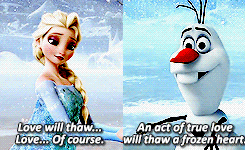
Why did I begin this story? Why is it important to me? What made me love it? How does God’s love for me change this moment? Love thaws not just a frozen heart, it also burns away the fears and anxieties that can often lead to writer’s block. When we write from love and with love, we write our very best. If you feel like you are missing that, then maybe you can go back to where you lost it and that’s where you will find your answer.
Failure

For all the big talking “failure” does, it actually has so little power to hurt you when you redefine it.

What if you fail to write a novel this month? What if you don’t reach the goals you made? What if life happens and circumstances get in the way of what you hoped to accomplish?

Failure only has the power you give it. You are an imperfect human, so without a doubt, there are things you have failed at, but if you acknowledge, “Yep, that was my bad, but I’m gonna learn from it, ask for forgiveness, and forgive myself.” You have literally just removed failure’s power to steal from you. And writing is not this do-or-die thing your insecurities tell you it is. There’s not a big right or wrong to it, it’s subjective and create-your-own-adventure.

So, what if you don’t write a whole novel this month? Did you try? Did you think about it? Did you practice creating a character and story outline? Did you write 2,000 words? Did you entertain the concept that you can be a writer, and that you deserve to try? Then guess what, you cannot fail.

Some is better than none – Jon Acuff

Deadlines

Euw, I don’t like that word, but as a freelance writer, I see the word “deadline” a lot. And meeting deadlines has cost me some late nights, stressful weeks, missed showers, hurried meals, and sore hands.

Deadlines can sometimes be motivating, that’s why I am even doing NaNoWriMo this year, because I have a project that I keep pushing to the back burner, and I think if I create a deadline for myself, I may get a lot or most of it done.

Here are a few tips for managing your NaNoWriMo writing deadlines.

  1. Clearly outline your goals. You may not have the goal of writing 50,000 words or creating a whole novel in a month, and that’s fine, just know what your goals are and clearly define them. This will help you plan ahead and adapt in the moment.

I am a visual person, so I like to write things down or create an image to help me stay on track. However, your brain works, make sure you have created a way to know and track your progress. It takes some of the anxiety out of the process, and it’s really encouraging when you see yourself moving forward.

  • Be okay with adapting. I know this is hard to accept, but life is unpredictable and more like Jumanji than anyone wants to admit. We all have no idea what November has in store for us, so we will be prepared by planning, and then we will be prepared to change the plan if necessary. This doesn’t make you a failure, or irresponsible, it makes you adaptable, and you will take life much less hard if you are okay with adapting.

You will have to use your own judgment to know when to adapt, and when to stand your ground on your plans, but give yourself permission to adjust ahead of time.

  • Plan according to your taste/schedule. You are not marching to the beat of any other writer’s drum for NaNoWriMo, you need to make your plans and go at your pace. You can look around you for inspiration, and if you see a good idea that benefits you, borrow it! But never think your writing journey has to look like anyone else’s.

Work-life balance

We all have responsibilities, relationships, and lives to keep up with apart from NaNoWriMo (unless you cleared the whole month and can still afford your rent). You want to write a novel, but you want to do it in a way that doesn’t destroy the other important things in your life like your family, health, or job.

Here’s how you can create your NaNoWriMo 2024 goals and still have a life to come back to when you’re done.

  1. Communicate your goals/intentions to your people. Whether it’s your significant other, your children, your roommate, or your friends, you need to communicate with them what your desires are and discuss any potential changes in your schedule.

So many relational issues could be solved by proactively communicating, and then maintaining that communication throughout the process. Will you be working half days on Friday this month? Let your boss know. Do you and your spouse have a bedtime routine with the kids that keeps your family peaceful and focused? Plan your writing around that or discuss how you can cooperate with your spouse to adjust the schedule temporarily. Will you be spending less time online or chatting with people? Let them know ahead of time so they don’t worry about you.

  • Take care of yourself. Yes, sometimes deadline seasons call for late nights, fewer showers, and some less healthy snacks. So long as this doesn’t become your everyday, it may be okay for a season. But don’t go overboard.

You’re writing a novel, not planning a nuclear war without casualties (unless that’s the topic of your book in which case I want to read it). Shower, eat, drink water, go outside and look at a cloud or a bird. Ask your kids or spouse how their day was, listen to music you like, get up and dance or stretch. Walk the dog. Post a quick update celebrating a win. Eat a treat, maybe even buy some special treats for yourself and your family during this month so you all have something to enjoy.

  • Celebrate. Don’t wait to celebrate only when you have accomplished the big goal, life is about celebrating EVERY win, that’s why kids are so awesome, every new skill, discovery, or beautiful thing is something to celebrate. When you are celebrating your wins, big and little ones, it’s harder for discouragement and doubt to take hold. Joy makes you slippery to the darkness, so lather up and celebrate!

Write on

NaNoWriMo is an incredible opportunity to get going on the writing you’ve been dreaming of for a long time. Whatever you accomplish this year, I hope your heart and mind are opened to the possibilities and potential that lie ahead of you. You can do this, now go try.

Read Part 1, Part 2, and Part 3 here, and for more great posts on movies, writing, and my story, follow the blog, or like on FB. #nanowrimo2024
How to Prepare for NaNoWriMo – Part 2

Read Part 1 here.

You have stepped out; you’ve decided to accept the November writing challenge and do NaNoWriMo.

And now that you’re here, you might be panicking that you are unprepared, just like Bilbo making the great decision to join the Lonely Mountain adventure only to panic over a missed pocket hankie.

It’s alright, we all do it, even seasoned writers, you’re in good company.

The cool thing about writing is that if you have the “write” tools and materials in place, you can build an amazing story repeatedly. A lot of people have the misconception that writing is just raw creativity and brute talent and only some demigods on earth possess these abilities.

True, many great writers do possess lively imaginations, creativity, wit, intelligence (also good looks), and some talent, but that’s rarely what keeps a writer writing or publishing.

So much of writing is discipline, learning your craft, listening, feeling, perseverance, and practice. Those things can be achieved by anyone willing to give the time and effort to them.

If you learn the mechanics of writing, the tools of writing, and you have the perseverance to keep writing even when it’s not glamorous, you can become a good writer.

I’m going to walk you through a few novel writing strategies so you can begin building your story. It all starts with the heartbeat of your story: characters.

How to plan your characters for NaNoWriMo

The heart of any story is its characters. It doesn’t matter what genre, plot, world, or length of story you tell, if you nail them the rest of your story will fall into place. A lot of people panic when it comes to crafting believable characters, and they have no idea how to get started. It’s really not that hard, so relax, open up your heart, and read on.

Well-developed characters are ones we can relate to, they have flaws, motivation, and show growth or regression depending on their decisions. It’s hard to write a character you have nothing in common with, which makes writing a novel in a month a nearly impossible challenge.

When you are venturing out on a big writing goal, my suggestion is to create a character you can connect with. My first year doing NaNoWriMo, I wrote about a teenage girl who was stuck in anxiety and depression and needed some fresh perspective and vision for her future. If you read Part 1 of this series, you’ll know that I essentially wrote myself into the story, I was the teenage girl stuck who needed fresh perspective! This gave me the ability to write a character I could understand, and we faced challenges, explored new possibilities, and experienced triumph and heartache together. Writing that character let me release so much of what was pent up in my heart onto a page, and it felt good and kept me going through the long writing hours of that month.

Start with what you know, then build from there

So, you create a character that mirrors some aspect of yourself or something you are familiar with. Now, how do you make them memorable with a well-developed character arc?

For any character, you need to figure out what they want, what they need, and how you are going to create challenges and obstacles that they can choose to overcome or fail to reach their goals.

This is true for any character, big or small, male or female, old or young, good or bad. You need to be able to answer these questions for both your antagonists and protagonists.

Let’s say my character is a young boy who really wants to become a well-renowned artist. He cannot afford art school and therefore has had to learn how to paint on his own. I can connect with this character because I have big dreams, and I have had to teach myself and learn on-the-job without any “formal” training. My young artist is talented, but sometimes he and others doubt his abilities because his path has been unorthodox. Will he succeed, or fail to become an artist like he dreams?

My character wants to become a famous artist. He needs to believe in himself even as he grows in his skills. I’m going to force him to face the obstacles and challenges of his own insecurities, rejection from others who scoff at his lack of formal education, and the hard work of becoming an artist. My character will choose to believe in himself, and eventually he will reach his goal of becoming a famous artist when his painting is displayed at a high-profile art show in Paris.

I, the writer, have a reason to love my character because I can relate to him. That makes me want to write him because I want to see him succeed. If he can succeed, I can succeed, right? It’s motivating. For an outside person reading my story, if I have developed my young artist well and shown his wants and needs, forced him to face challenges and obstacles, and then show him overcoming these things, I have delivered a satisfying arc with a believable and well-developed character my reader can root for.

Need a few more examples?

Character examples

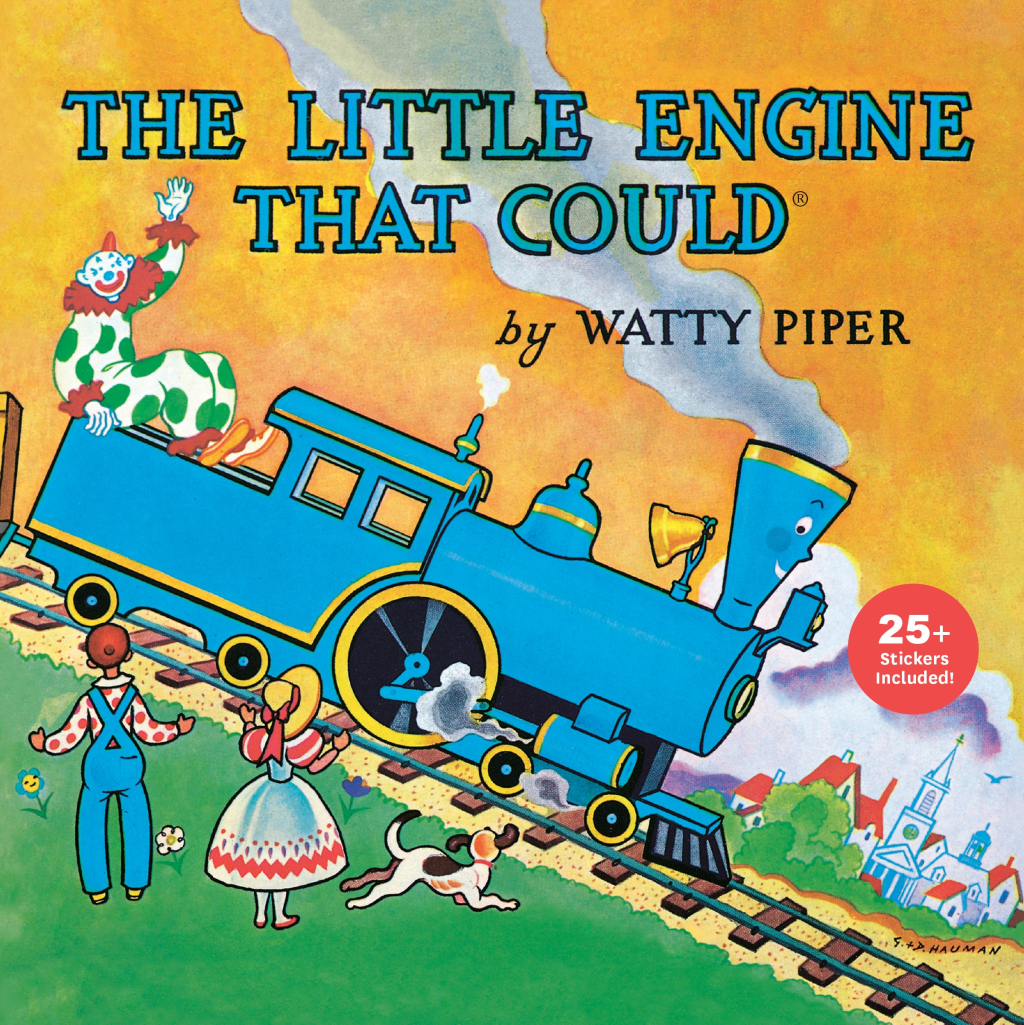
The Little Engine That Could is a story about a steam engine getting over a mountain. With that bland description, you wouldn’t think it is the world-changing, multi-generational sensation that it is. But The Little Engine That Could is just that, because of the little engine.

The little engine is a character we can all relate to. She’s small, overlooked, an underdog. When asked if she will pull a train up over a mountain—a task bigger engines turned down—she accepts the challenge. It’s rough, and by all appearances, this little engine is the last person for the job.

But rather than listen to what the world might tell her, the little engine instead tunes into only one thought that she repeats out loud, “I think I can I think I can I think I can.”

This simple phrase and this intense focus cause her to pull a massive train up and over a high mountain to triumphantly reach the station on the other side. She is victorious, the hero, and she accomplished the mission others more “qualified” shied away from.

The world loves the little engine, why? Because we see ourselves in her. How many of us have been the overlooked underdog? The one no one believed in. We know that pain, but if we know that pain, we would also like to believe we can know the same triumph she does. The little engine goes on a journey that takes her from pain to triumph, which is why a simple story about a steam engine getting over a mountain is a worldwide sensation.

The little engine wanted to matter. The little engine needed to believe in herself. The little engine faces challenges and obstacles all the way up and over the mountain, and she almost runs out of steam. But she chooses to keep believing and living out, “I think I can I think I can I think I can” every time she faces an obstacle. She overcomes the journey, and she reaches her goal of delivering the train safely into the station and becoming a hero.

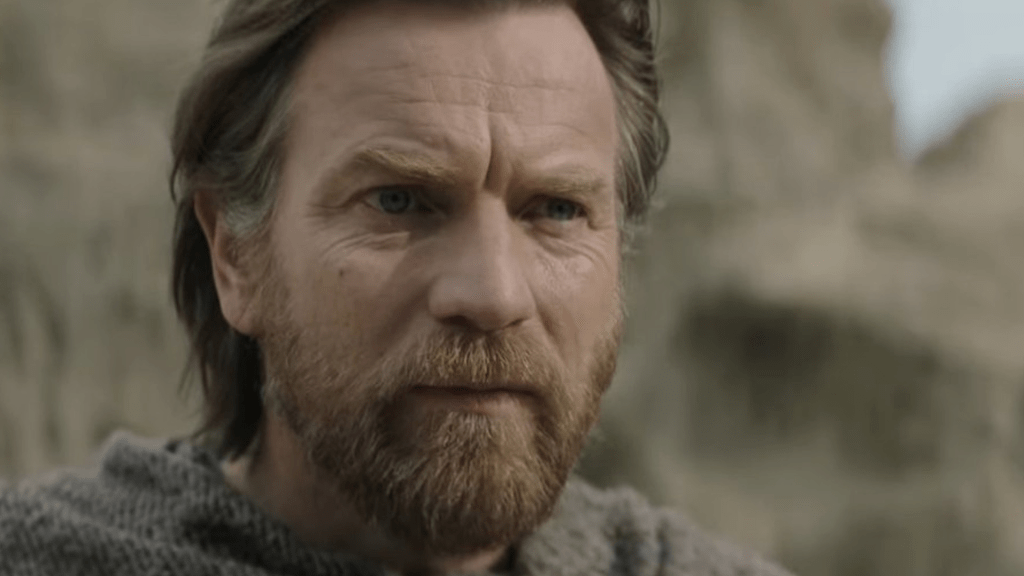
Obi-Wan Kenobi, the Disney+ series featuring Obi-Wan Kenobi ten years after Revenge of the Sith shows a broken-down-hero who has lost his way. He can’t sleep, he’s tormented by regret, guilt, and sorrow over the loss of beloved friends and family. He blames himself for the tragedies his loved ones suffered. He has hidden every part of himself as a Jedi away, and his only remaining purpose is to watch over a young Luke Skywalker on Tatooine.

But then, young Leia Organa is kidnapped, and when her parents ask him to rescue her, Obi-Wan Kenobi is forced to re-enter the world of Sith vs Jedi, the cruelty of the Empire, and most terrifyingly, his worst fears and regrets.

Obi-Wan Kenobi is one of the most glorious characters in the existence of characters, and this chapter of his story is beautiful. We’ve seen him at his full strength in the Prequel/Clone War Era, and we see him as a peaceful mentor and friend in the Original Trilogy, but in the middle? Obi-Wan Kenobi is a mess we can all relate to.

Have you ever lost your way? Have you regretted the past and lost loved ones? Are you afraid to try again?

The things Obi-Wan faces are paralyzing, still, Obi-Wan’s remaining love for Anakin and Padme gives him just enough motivation to take a leap of faith, and he gets massively beaten up for it.

However, as he is forced to reckon with the past, he also starts to fall in love with the future. Leia captures his heart, he meets other brave individuals who have been through the same trauma he has, but they refuse to give up. He remembers what he believes and that he is motivated by love, and he is able to lay to rest the regrets, worries, and torments of the past. Obi-Wan Kenobi emerges as the most kick-butt, glorious Jedi he has ever been despite the fact that he lives in the darkest time for the Jedi.

At the beginning of the series, Obi-Wan Kenobi thought he wanted to remain hidden away and out of the chaos. He needed to face his trauma, and the story forces him to engage in the most personal, painful parts of past. He chooses love and hope to overcome these obstacles, and that causes him to reach his goal of healing and finding himself again.

Ask the questions, build the character

This character approach works for villains and antagonists too. You want to find out what they want, what they need, and then how to foil their efforts or cause them to fail in reaching their end goals. Cruella DeVil wants a Dalmatian coat, she needs to get a bunch of puppies to do so, she is faced with obstacles via Pongo and Perdita’s “dogged” determination to save their babies, and in the end, she fails to reach her goal and is instead arrested.

Characters are complex, because people are complex, but they are also simple in the fact that you just have to add some of your own human experience to build a realistic character. It doesn’t matter if your character is a teapot, a rock, or a dragon, if you make them relatable you will love writing their story.

This character approach I have shared is very simple, and it is possible to get more complex with creating your characters over time, but all you have to do right now is to get started. The more you get to know your character, the more you will get into the nitty gritty of their character arc and story.

So, ask yourself about your character.

  • What do they want?
  • What do they need?
  • What obstacles/challenges will they have to overcome?
  • What goal do they get to reach or fail?

You got this, now go create a character you love to write!

In Part 3, I’ll share ten story beats you can use to plan out your novel so you can write with confidence and excitement!

To catch the follow-up posts, subscribe to the email list, follow the blog, or like on FB for future posts. #nanowrimo2024

How to Prepare for NaNoWriMo – Part 1

How is it already halfway through October? This year has flown by, I just got used to writing “2024” without feeling like I was writing a line from a futuristic, sci-fi novel.

With October halfway over, many writers and storytellers are preparing for November, National Novel Writing Month (NaNoWriMo). NaNoWriMo was started in 1999, and is a writing platform/community that helps writers write a novel in just one month.

*I am unaffiliated with the platform NaNoWriMo; they have not sponsored or supported this post.

Some writers also do their own version of NaNoWriMo separate from the platform but following the same guidelines of a scheduled deadline, word count, and accountability system.

I have participated in NaNoWriMo twice using the NaNoWriMo platform, and I will be participating a third time this year to reach a particular writing goal.

Whether you use a specific platform, writer group, or hide out in a cabin in the Adirondacks to write for the whole month of November (can I join you please?), November presents a beautiful opportunity to grow your writer’s muscles and accomplish something really incredible.

How can you prepare for NaNoWriMo? What are the tips for success? Keep reading for essential tips, strategies, and a planning guide to help you meet your NaNoWriMo2024 goals!

Does NaNoWriMo actually work?

Great question, my answer is “YES!”

And I will follow that up by telling you that I have never completed a whole novel while doing NaNoWriMo, this will be my first year attempting to do so.

The reason I think NaNoWriMo works is that it is like WD40 for your mental blocks, insecurities, and inhibitions that tell you writing is impossible, you are a total fraud, and people would be better off reading shampoo labels at a truck stop shower than reading your writing.

Did I just read your mail there? Yeah, I did because it’s also mine.

Ten years ago, I was really depressed, and a big part of that depression was the lie that there was nothing to look forward to, nothing to work towards. From eight years old on, I had dreamed of being a writer, and I had this grandiose goal of being published by age 18. Now, I was less than a year away from that goal, and I falsely believed I had done nothing to reach it. “You’ll never be a writer, you’ve never been a writer, stop fooling yourself.” The devil’s voice whispered in my ear.

In that state, I forgot the thousands upon thousands of words I had written. Stories, poems, songs, letters, plays, and more. It was like my mind had gone blank to anything I had done up to that point, and somehow writing was this ridiculous fantasy I had created in my head but never put action towards. (If only I had known that just over a decade later, I would be a paid, professional writer and editor who spends hours a week producing and editing content.)

The Lord had my back in this season, He gave me the writing dream and the gift of words, and He wasn’t about to let me lose that vital part of myself or the future ahead of me. Through His intervention and the encouragement of family and friends, I decided to try NaNoWriMo, and I committed to writing 50,000 words in one month.

It was wild, I had many late nights, and furious typing sessions, and I ate a significant amount of chocolate. I think I wrote 6,000 words in one day to make up for some missed days, and I finished my goal with just hours to spare!

The story I wrote was titled Masterpiece, and that first draft will never see the light of day even if I adapt the concept in the future. But I will forever love that story because the cork came out of the bottle, and I, the writer, came bursting out like a fountain of champagne! I was a writer, and NaNoWriMo had just proven it to me.

My second time doing NaNoWriMo was not quite as glamorous. I wasn’t a fan of my story and didn’t know where the characters were going or what they wanted. I did not reach 50,000 words as a great grandmama of a migraine took away any motivation to try and make up the missing 11,000 words I had left.

Do I care? Nope, not at all.

The point of NaNoWriMo

If you only make NaNoWriMo about a writing schedule, word counts, or winning, you won’t get the full value of NaNoWriMo. I love the idea of creating a unique structure for a month to help you accomplish a big writing goal—that’s why I’m doing it this year—but there’s more to it than that.

NaNoWriMo is a time to be set free as a writer, to chart your own destiny through the galaxy of your imagination, and to see that you can do it, and it’s worth trying. Whether you want to write novels, children’s literature, screenplays, non-fiction, comic books, poetry, stage plays, or a blog, you deserve a chance to try it.

Writing that first novel was eye-opening to me. I found out that 50,000 words could just come flowing out of me. I had a really neat story idea, and I enjoyed exploring it freely (sometimes crazily) without all my fears and worries holding me back. I wasn’t editing, I wasn’t critiquing, and sometimes I wasn’t even “thinking”, I was just doing, and it felt so good.

The second year, I gave myself permission to walk away from a story I didn’t care about, and not worry about “losing” NaNoWriMo because a word count didn’t define me as a writer. That was freeing too, valuing my time and art enough to set something down that wasn’t right for me. We hold ourselves to too many rules as writers, I was learning to make my own, and you should too.

This year, my NaNoWriMo project is planned. I have characters developed, I understand my story world, and I have an outline based on story beats. I actually already have the prologue and first chapter written. I’m bringing a decade of additional writing and life skills to the table; I have seen myself accomplish writing goals enough times to have the muscle memory and history to keep going even when those still-present writing insecurities want to take over. My experience this year will be very different, and it may look more “successful” than previous years, but I consider every year I have sat down to do NaNoWriMo a success because it got me here.

That’s the point of NaNoWriMo; to move you along the road of your writing journey, to give you a history to draw upon, and to hope for a writing future that you can reach.

It’s time to believe, and it’s time to try

There are words and stories inside of you that need to come out. Who knows but, like me, God has destined you to share a story that the world needs to hear, but your fears, insecurities, and the voice of the Accuser are trying to silence you?

God has come through for me in my writing career time and time again, and NaNoWriMo was just a tiny piece of that bigger picture, but it was an important piece.

You can do this; you don’t have to know how the whole journey will look; you just have to take the next step.

The first step of NaNoWriMo

So, what do you want to write?

Maybe there is a story you have been dreaming of writing for a long time. Maybe, you want to write but haven’t settled on what or how yet. Anything and everything is okay (remember, you make your own writing rules).

Sit down, take a breath, and write down some ideas starting with whatever you have, a picture, a title, a specific scene, a character, a phrase, anything! See what jumps out and looks most appealing to you and go with that.

Your mission, should you choose to accept it, is to participate in NaNoWriMo 2024 and see what you can do.

Is it possible?

In Part 2, I will take you through how to make a character you are excited to write about. To catch the follow-up posts, subscribe to the email list, follow the blog, or like on FB for future posts. #nanowrimo2024