How to Prepare for NaNoWriMo – Part 4

You’re doing it, you are going to write a novel in a month, NaNoWriMo ain’t got nothin’ on you. In Part 1, I shared how NaNoWriMo helped me grow immensely as a writer. In Part 2, I walked you through developing a character you will love. In Part 3, I shared ten story beats you can use to outline your story and prepare for a writing storm.

Today, let’s face the scariest subjects (no, I’m not talking about affect vs effect or semicolons).

I’m talking about:

  • Writer’s block
  • Failure
  • Deadlines
  • Work-life balance

If you had to just vomit after reading those words, that’s fine, we’ve all felt the same way. These are the worst nightmares of a writer, in fact, they should be Halloween costumes.

The thing about these monsters, however, is that they look a lot less scary when you take some of their power away. Yes, you can take the power away from these jerks who want to push you around, tell you what to do, or make you hand over your confidence, peace of mind, and joy.

Writer’s block

The horrific, creative constipation that blocks you up and threatens to not let go. For a writer, writer’s block is a miserable experience. We are made to release words and stories, so when we cannot do that, we feel wrong.

I honestly don’t know that there’s just one way to beat writer’s block. I’m pretty careful about stating absolutes when it comes to writing, because remember, you make your own writing rules.

But here are a few ways I have found to overcome writer’s block. These have been recommended to me by other professionals who are veterans with decades of experience, so I’d say these tips for writer’s block are legit.

  1. Stay calm. Like a creepy pod of orcas who like to play with their food, writer’s block wants to torment and play with you. “You’re never going to have any new ideas. You’re finished. You will never be a writer.” The mean comments, fears, and worries start spiraling out of control and make it even harder to concentrate or create. The antidote?

Calm down, you’re stuck for a moment, not losing your whole identity and future as a writer. You may have a good reason for being stuck, like lack of sleep, relationship challenges, stress at work, health issues, or just exhaustion. When writer’s block hits, take stock of where you are. What do you need emotionally, mentally, spiritually, or physically? Can this be solved by taking a short walk? Having a snack? Calling your mom? Watching a show that inspires you? Dancing in your bedroom with a pretty scarf while you sing and pray for a few minutes? (Yes, that was very specific, maybe I’ve done it once or twice.)

  • Keep writing. This is the advice some people give as the one-and-only cure for writer’s block, and sometimes it’s not the “write” answer. But sometimes it is.

Sometimes you need to “just keep swimming” and the block will work itself out. You can also jump ahead to a scene or part you have very clearly mapped out in your mind, and while you are working on that, your brain will be subconsciously problem-solving for you.

This is also a good reason to have your ten story beats planned out ahead of time, so when you start to panic about being blocked, you can remind yourself of where you need to go.

  • Remember your why, remember the love. My friend and expert writing teacher, John Fornof, taught me to remember the why and to remember the love behind why I am writing as a cure for writer’s block.

Why did I begin this story? Why is it important to me? What made me love it? How does God’s love for me change this moment? Love thaws not just a frozen heart, it also burns away the fears and anxieties that can often lead to writer’s block. When we write from love and with love, we write our very best. If you feel like you are missing that, then maybe you can go back to where you lost it and that’s where you will find your answer.
Failure

For all the big talking “failure” does, it actually has so little power to hurt you when you redefine it.

What if you fail to write a novel this month? What if you don’t reach the goals you made? What if life happens and circumstances get in the way of what you hoped to accomplish?

Failure only has the power you give it. You are an imperfect human, so without a doubt, there are things you have failed at, but if you acknowledge, “Yep, that was my bad, but I’m gonna learn from it, ask for forgiveness, and forgive myself.” You have literally just removed failure’s power to steal from you. And writing is not this do-or-die thing your insecurities tell you it is. There’s not a big right or wrong to it, it’s subjective and create-your-own-adventure.

So, what if you don’t write a whole novel this month? Did you try? Did you think about it? Did you practice creating a character and story outline? Did you write 2,000 words? Did you entertain the concept that you can be a writer, and that you deserve to try? Then guess what, you cannot fail.

Some is better than none – Jon Acuff

Deadlines

Euw, I don’t like that word, but as a freelance writer, I see the word “deadline” a lot. And meeting deadlines has cost me some late nights, stressful weeks, missed showers, hurried meals, and sore hands.

Deadlines can sometimes be motivating, that’s why I am even doing NaNoWriMo this year, because I have a project that I keep pushing to the back burner, and I think if I create a deadline for myself, I may get a lot or most of it done.

Here are a few tips for managing your NaNoWriMo writing deadlines.

  1. Clearly outline your goals. You may not have the goal of writing 50,000 words or creating a whole novel in a month, and that’s fine, just know what your goals are and clearly define them. This will help you plan ahead and adapt in the moment.

I am a visual person, so I like to write things down or create an image to help me stay on track. However, your brain works, make sure you have created a way to know and track your progress. It takes some of the anxiety out of the process, and it’s really encouraging when you see yourself moving forward.

  • Be okay with adapting. I know this is hard to accept, but life is unpredictable and more like Jumanji than anyone wants to admit. We all have no idea what November has in store for us, so we will be prepared by planning, and then we will be prepared to change the plan if necessary. This doesn’t make you a failure, or irresponsible, it makes you adaptable, and you will take life much less hard if you are okay with adapting.

You will have to use your own judgment to know when to adapt, and when to stand your ground on your plans, but give yourself permission to adjust ahead of time.

  • Plan according to your taste/schedule. You are not marching to the beat of any other writer’s drum for NaNoWriMo, you need to make your plans and go at your pace. You can look around you for inspiration, and if you see a good idea that benefits you, borrow it! But never think your writing journey has to look like anyone else’s.

Work-life balance

We all have responsibilities, relationships, and lives to keep up with apart from NaNoWriMo (unless you cleared the whole month and can still afford your rent). You want to write a novel, but you want to do it in a way that doesn’t destroy the other important things in your life like your family, health, or job.

Here’s how you can create your NaNoWriMo 2024 goals and still have a life to come back to when you’re done.

  1. Communicate your goals/intentions to your people. Whether it’s your significant other, your children, your roommate, or your friends, you need to communicate with them what your desires are and discuss any potential changes in your schedule.

So many relational issues could be solved by proactively communicating, and then maintaining that communication throughout the process. Will you be working half days on Friday this month? Let your boss know. Do you and your spouse have a bedtime routine with the kids that keeps your family peaceful and focused? Plan your writing around that or discuss how you can cooperate with your spouse to adjust the schedule temporarily. Will you be spending less time online or chatting with people? Let them know ahead of time so they don’t worry about you.

  • Take care of yourself. Yes, sometimes deadline seasons call for late nights, fewer showers, and some less healthy snacks. So long as this doesn’t become your everyday, it may be okay for a season. But don’t go overboard.

You’re writing a novel, not planning a nuclear war without casualties (unless that’s the topic of your book in which case I want to read it). Shower, eat, drink water, go outside and look at a cloud or a bird. Ask your kids or spouse how their day was, listen to music you like, get up and dance or stretch. Walk the dog. Post a quick update celebrating a win. Eat a treat, maybe even buy some special treats for yourself and your family during this month so you all have something to enjoy.

  • Celebrate. Don’t wait to celebrate only when you have accomplished the big goal, life is about celebrating EVERY win, that’s why kids are so awesome, every new skill, discovery, or beautiful thing is something to celebrate. When you are celebrating your wins, big and little ones, it’s harder for discouragement and doubt to take hold. Joy makes you slippery to the darkness, so lather up and celebrate!

Write on

NaNoWriMo is an incredible opportunity to get going on the writing you’ve been dreaming of for a long time. Whatever you accomplish this year, I hope your heart and mind are opened to the possibilities and potential that lie ahead of you. You can do this, now go try.

Read Part 1, Part 2, and Part 3 here, and for more great posts on movies, writing, and my story, follow the blog, or like on FB. #nanowrimo2024
How to Prepare for NaNoWriMo – Part 3

Look at you, you have decided to try National Novel Writing Month (NaNoWriMo)! In Part 1 of this series, I discussed my past experiences with doing NaNoWriMo and how much they empowered me as a writer.

In Part 2, I walked you through some simple questions you can use to create a character you love to write. Trust me, if you love a character, you will want to write for them a lot. We writers create connections with our characters; they are like friends we root for and want to share with the world.

Today, I will walk you through ten storytelling beats you can use to outline your novel and give you a storytelling framework to help you stay motivated and confident in your writing.

Ten story beats

There are many approaches to creating a narrative structure, and if this list is overwhelming to you, feel free to do some research and find a system that works for you! I love this system because sometimes having more plot points means I am less likely to get lost along the way.

  1. Ordinary world of the hero
  2. Upsetting the apple cart
  3. Crossing the threshold
  4. Twist
  5. Midpoint
  6. Escalation
  7. Dark night of the soul
  8. Hero’s new plan
  9. Final showdown
  10. The new world

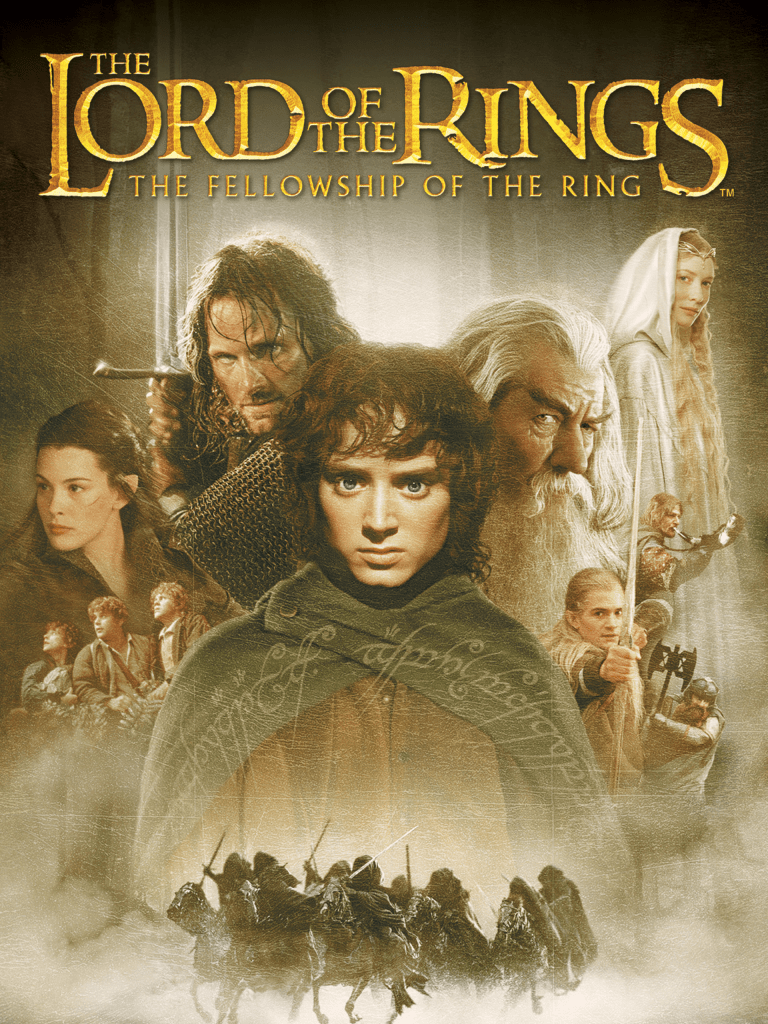
What does this list look like when writing a novel or screenplay? Let’s go through it using the classic The Fellowship of the Ring.

  1. Ordinary world of the hero. Frodo in the Shire. Your character’s ordinary world may be good or bad, but it’s “normal” and familiar.  Your character knows how the world works, what to expect, and how to survive/live in it.
  2. Upsetting the applecart. Gandalf shows up, and Bilbo gifts Frodo the Ring. Your character’s normal is broken by something unexpected; they can’t keep going with the status quo.
  3. Crossing the threshold. Frodo leaves with the Ring for the village of Bree. Your character has made a commitment that leads to a larger journey, and going back is not an option, the die is cast.
  4. Twist. Gandalf isn’t waiting at the Inn of the Prancing Pony, but Strider is. Your character didn’t see this coming, and they aren’t yet sure if this is good or bad.
  5. Midpoint. The Fellowship is formed. Some tough stuff has already happened, and your character doesn’t know what the resolve will be yet, but they have to pack it in and keep going to find out!
  6. Escalation. Battle in the Mines of Moria and internal conflicts among the Fellowship with Boromir and others. Things are getting worse, who can your character trust, maybe someone dies, the enemy is approaching, etc.
  7. Dark night of the soul. Gandalf falls while fighting the Balrog in Khazad-dum, the Fellowship is in trouble, and Frodo feels isolated. Your character believes all is lost, there is no hope, and things are broken that cannot be undone.
  8. Hero’s new plan. The Fellowship seeks refuge in Lothlorien and takes the river to save time on the journey. They are given Galadriel’s gifts and wisdom, and they have a bit more hope. Your character does not know if their new plan will work, but at least they have a plan.
  9. Final showdown. Amon Hen. Frodo escapes from Boromir, the Urukai show up and the battle takes place, Merry and Pippin are taken, but Boromir redeems himself and Aragorn accepts the mantle of protecting Gondor, creating resolve between the two men. Frodo also has to fully accept the role of the ringbearer, even if it means going on alone, which is a final showdown with his own doubts. Your character has a big showdown, it may end perfectly, or it may end with some things better, and some things worse.
  10. The New World. Frodo and Sam are setting off alone and determined to finish this come hell or literally high water. Aragorn, Gimli, and Legolas are off to “hunt some orcs.” They will remain true to their Fellowship in their hearts, but their paths forward have diverged. Your character is facing a world different from the one they began in, maybe they are pleased with this, maybe they are not, but they must accept it either way.

These story beats may not always look as upfront and obvious as they are in The Fellowship of the Ring. You should consider this storytelling technique a guideline that you can adapt to fit your story.

I have applied these ten story beats many times, and they make mapping out a story arc so much easier. These beats are proven to create an effective storyline that satisfies an audience, especially when paired with an exciting character. These beats helped me unlock the “good story” formula, and they are a ninja sword in your collection of writing tools.

Use the beats, plan your story

Your next step for NaNoWriMo prep is to take the character you created with the questions I listed in Part 2 and bring them over to this list of story beats. How does the story you have in mind match with these beats? Do you need to add or remove things? Does the ending need some spicing up? Do you want your character to be fully triumphant at the end? Play around with your character’s story and these beats, as you tweak them, a story outline will emerge, and you’ll be so proud of yourself.

A lot of people are afraid of this part of the process of writing. They worry if they plan too much, they will lose the joy or creativity of writing.

I think this is a false fear and assumption. I have written with no plan before, and there are times and places for that (I’ll write about that one day), but for NaNoWriMo, I think having some level of plan is actually freeing.

What you are attempting here is monumental, and awesome, and it keeps you very busy. You don’t want to have to stop and think a lot, you just want to write. With this creative writing technique, you aren’t spending time thinking about where to go and if it makes sense or not, you are just joyfully running with a simple map in your head. If you do some of your thinking now, that’s less you have to do at the moment when you are just writing.

You can do this.

In the final installment of this NaNoWriMo series, I will cover how to write with confidence, overcome writer’s block, and fit writing into your normal schedule.

To catch the follow-up posts, subscribe to the email list, follow the blog, or like on FB for future posts. #nanowrimo2024

How to Prepare for NaNoWriMo – Part 2

Read Part 1 here.

You have stepped out; you’ve decided to accept the November writing challenge and do NaNoWriMo.

And now that you’re here, you might be panicking that you are unprepared, just like Bilbo making the great decision to join the Lonely Mountain adventure only to panic over a missed pocket hankie.

It’s alright, we all do it, even seasoned writers, you’re in good company.

The cool thing about writing is that if you have the “write” tools and materials in place, you can build an amazing story repeatedly. A lot of people have the misconception that writing is just raw creativity and brute talent and only some demigods on earth possess these abilities.

True, many great writers do possess lively imaginations, creativity, wit, intelligence (also good looks), and some talent, but that’s rarely what keeps a writer writing or publishing.

So much of writing is discipline, learning your craft, listening, feeling, perseverance, and practice. Those things can be achieved by anyone willing to give the time and effort to them.

If you learn the mechanics of writing, the tools of writing, and you have the perseverance to keep writing even when it’s not glamorous, you can become a good writer.

I’m going to walk you through a few novel writing strategies so you can begin building your story. It all starts with the heartbeat of your story: characters.

How to plan your characters for NaNoWriMo

The heart of any story is its characters. It doesn’t matter what genre, plot, world, or length of story you tell, if you nail them the rest of your story will fall into place. A lot of people panic when it comes to crafting believable characters, and they have no idea how to get started. It’s really not that hard, so relax, open up your heart, and read on.

Well-developed characters are ones we can relate to, they have flaws, motivation, and show growth or regression depending on their decisions. It’s hard to write a character you have nothing in common with, which makes writing a novel in a month a nearly impossible challenge.

When you are venturing out on a big writing goal, my suggestion is to create a character you can connect with. My first year doing NaNoWriMo, I wrote about a teenage girl who was stuck in anxiety and depression and needed some fresh perspective and vision for her future. If you read Part 1 of this series, you’ll know that I essentially wrote myself into the story, I was the teenage girl stuck who needed fresh perspective! This gave me the ability to write a character I could understand, and we faced challenges, explored new possibilities, and experienced triumph and heartache together. Writing that character let me release so much of what was pent up in my heart onto a page, and it felt good and kept me going through the long writing hours of that month.

Start with what you know, then build from there

So, you create a character that mirrors some aspect of yourself or something you are familiar with. Now, how do you make them memorable with a well-developed character arc?

For any character, you need to figure out what they want, what they need, and how you are going to create challenges and obstacles that they can choose to overcome or fail to reach their goals.

This is true for any character, big or small, male or female, old or young, good or bad. You need to be able to answer these questions for both your antagonists and protagonists.

Let’s say my character is a young boy who really wants to become a well-renowned artist. He cannot afford art school and therefore has had to learn how to paint on his own. I can connect with this character because I have big dreams, and I have had to teach myself and learn on-the-job without any “formal” training. My young artist is talented, but sometimes he and others doubt his abilities because his path has been unorthodox. Will he succeed, or fail to become an artist like he dreams?

My character wants to become a famous artist. He needs to believe in himself even as he grows in his skills. I’m going to force him to face the obstacles and challenges of his own insecurities, rejection from others who scoff at his lack of formal education, and the hard work of becoming an artist. My character will choose to believe in himself, and eventually he will reach his goal of becoming a famous artist when his painting is displayed at a high-profile art show in Paris.

I, the writer, have a reason to love my character because I can relate to him. That makes me want to write him because I want to see him succeed. If he can succeed, I can succeed, right? It’s motivating. For an outside person reading my story, if I have developed my young artist well and shown his wants and needs, forced him to face challenges and obstacles, and then show him overcoming these things, I have delivered a satisfying arc with a believable and well-developed character my reader can root for.

Need a few more examples?

Character examples

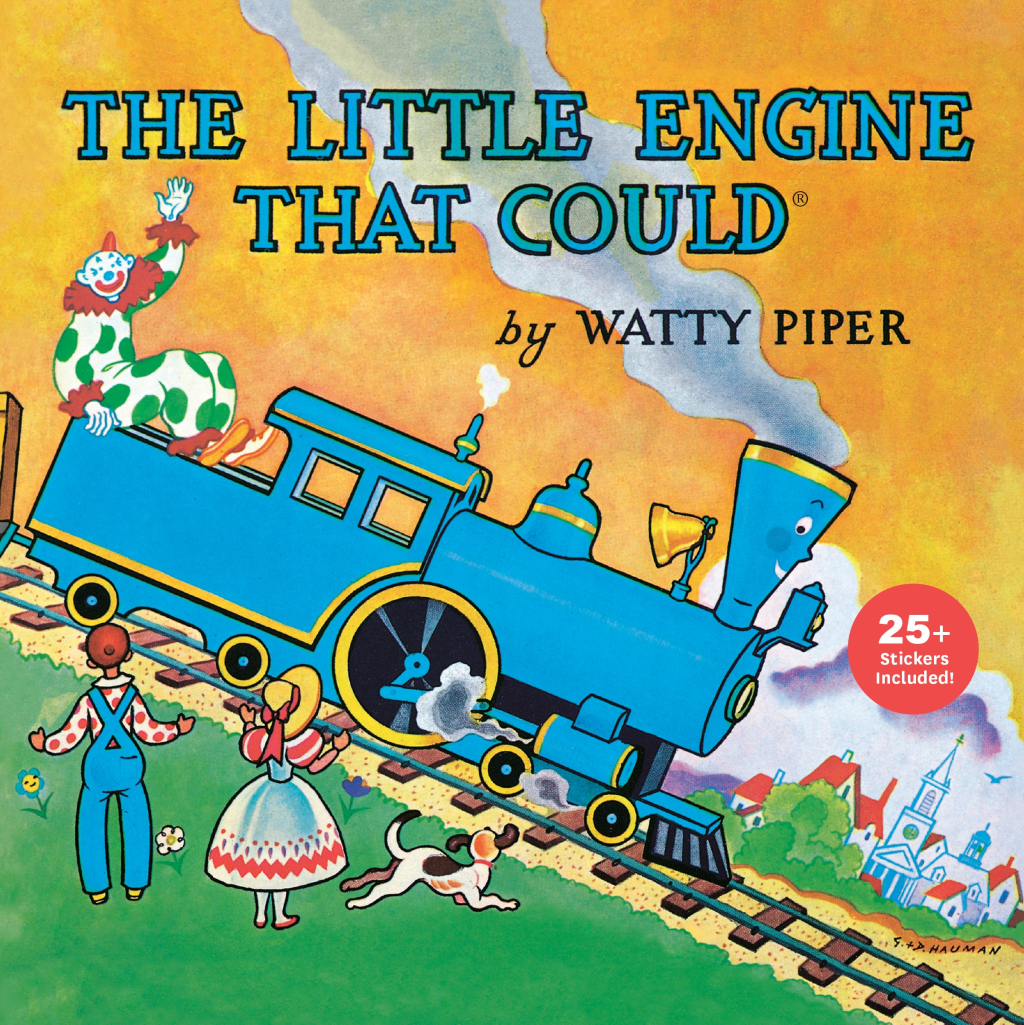
The Little Engine That Could is a story about a steam engine getting over a mountain. With that bland description, you wouldn’t think it is the world-changing, multi-generational sensation that it is. But The Little Engine That Could is just that, because of the little engine.

The little engine is a character we can all relate to. She’s small, overlooked, an underdog. When asked if she will pull a train up over a mountain—a task bigger engines turned down—she accepts the challenge. It’s rough, and by all appearances, this little engine is the last person for the job.

But rather than listen to what the world might tell her, the little engine instead tunes into only one thought that she repeats out loud, “I think I can I think I can I think I can.”

This simple phrase and this intense focus cause her to pull a massive train up and over a high mountain to triumphantly reach the station on the other side. She is victorious, the hero, and she accomplished the mission others more “qualified” shied away from.

The world loves the little engine, why? Because we see ourselves in her. How many of us have been the overlooked underdog? The one no one believed in. We know that pain, but if we know that pain, we would also like to believe we can know the same triumph she does. The little engine goes on a journey that takes her from pain to triumph, which is why a simple story about a steam engine getting over a mountain is a worldwide sensation.

The little engine wanted to matter. The little engine needed to believe in herself. The little engine faces challenges and obstacles all the way up and over the mountain, and she almost runs out of steam. But she chooses to keep believing and living out, “I think I can I think I can I think I can” every time she faces an obstacle. She overcomes the journey, and she reaches her goal of delivering the train safely into the station and becoming a hero.

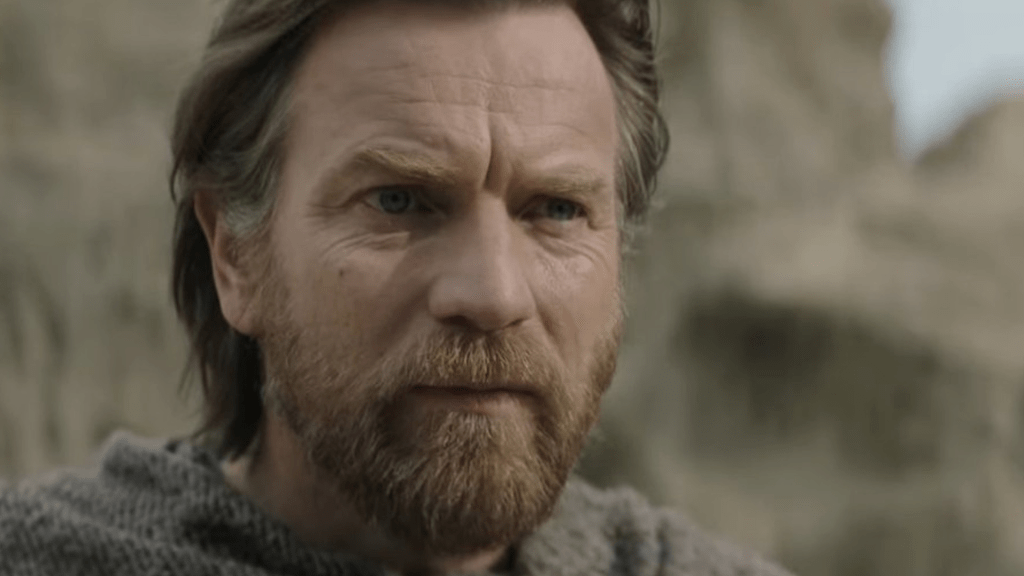
Obi-Wan Kenobi, the Disney+ series featuring Obi-Wan Kenobi ten years after Revenge of the Sith shows a broken-down-hero who has lost his way. He can’t sleep, he’s tormented by regret, guilt, and sorrow over the loss of beloved friends and family. He blames himself for the tragedies his loved ones suffered. He has hidden every part of himself as a Jedi away, and his only remaining purpose is to watch over a young Luke Skywalker on Tatooine.

But then, young Leia Organa is kidnapped, and when her parents ask him to rescue her, Obi-Wan Kenobi is forced to re-enter the world of Sith vs Jedi, the cruelty of the Empire, and most terrifyingly, his worst fears and regrets.

Obi-Wan Kenobi is one of the most glorious characters in the existence of characters, and this chapter of his story is beautiful. We’ve seen him at his full strength in the Prequel/Clone War Era, and we see him as a peaceful mentor and friend in the Original Trilogy, but in the middle? Obi-Wan Kenobi is a mess we can all relate to.

Have you ever lost your way? Have you regretted the past and lost loved ones? Are you afraid to try again?

The things Obi-Wan faces are paralyzing, still, Obi-Wan’s remaining love for Anakin and Padme gives him just enough motivation to take a leap of faith, and he gets massively beaten up for it.

However, as he is forced to reckon with the past, he also starts to fall in love with the future. Leia captures his heart, he meets other brave individuals who have been through the same trauma he has, but they refuse to give up. He remembers what he believes and that he is motivated by love, and he is able to lay to rest the regrets, worries, and torments of the past. Obi-Wan Kenobi emerges as the most kick-butt, glorious Jedi he has ever been despite the fact that he lives in the darkest time for the Jedi.

At the beginning of the series, Obi-Wan Kenobi thought he wanted to remain hidden away and out of the chaos. He needed to face his trauma, and the story forces him to engage in the most personal, painful parts of past. He chooses love and hope to overcome these obstacles, and that causes him to reach his goal of healing and finding himself again.

Ask the questions, build the character

This character approach works for villains and antagonists too. You want to find out what they want, what they need, and then how to foil their efforts or cause them to fail in reaching their end goals. Cruella DeVil wants a Dalmatian coat, she needs to get a bunch of puppies to do so, she is faced with obstacles via Pongo and Perdita’s “dogged” determination to save their babies, and in the end, she fails to reach her goal and is instead arrested.

Characters are complex, because people are complex, but they are also simple in the fact that you just have to add some of your own human experience to build a realistic character. It doesn’t matter if your character is a teapot, a rock, or a dragon, if you make them relatable you will love writing their story.

This character approach I have shared is very simple, and it is possible to get more complex with creating your characters over time, but all you have to do right now is to get started. The more you get to know your character, the more you will get into the nitty gritty of their character arc and story.

So, ask yourself about your character.

  • What do they want?
  • What do they need?
  • What obstacles/challenges will they have to overcome?
  • What goal do they get to reach or fail?

You got this, now go create a character you love to write!

In Part 3, I’ll share ten story beats you can use to plan out your novel so you can write with confidence and excitement!

To catch the follow-up posts, subscribe to the email list, follow the blog, or like on FB for future posts. #nanowrimo2024

How to Prepare for NaNoWriMo – Part 1

How is it already halfway through October? This year has flown by, I just got used to writing “2024” without feeling like I was writing a line from a futuristic, sci-fi novel.

With October halfway over, many writers and storytellers are preparing for November, National Novel Writing Month (NaNoWriMo). NaNoWriMo was started in 1999, and is a writing platform/community that helps writers write a novel in just one month.

*I am unaffiliated with the platform NaNoWriMo; they have not sponsored or supported this post.

Some writers also do their own version of NaNoWriMo separate from the platform but following the same guidelines of a scheduled deadline, word count, and accountability system.

I have participated in NaNoWriMo twice using the NaNoWriMo platform, and I will be participating a third time this year to reach a particular writing goal.

Whether you use a specific platform, writer group, or hide out in a cabin in the Adirondacks to write for the whole month of November (can I join you please?), November presents a beautiful opportunity to grow your writer’s muscles and accomplish something really incredible.

How can you prepare for NaNoWriMo? What are the tips for success? Keep reading for essential tips, strategies, and a planning guide to help you meet your NaNoWriMo2024 goals!

Does NaNoWriMo actually work?

Great question, my answer is “YES!”

And I will follow that up by telling you that I have never completed a whole novel while doing NaNoWriMo, this will be my first year attempting to do so.

The reason I think NaNoWriMo works is that it is like WD40 for your mental blocks, insecurities, and inhibitions that tell you writing is impossible, you are a total fraud, and people would be better off reading shampoo labels at a truck stop shower than reading your writing.

Did I just read your mail there? Yeah, I did because it’s also mine.

Ten years ago, I was really depressed, and a big part of that depression was the lie that there was nothing to look forward to, nothing to work towards. From eight years old on, I had dreamed of being a writer, and I had this grandiose goal of being published by age 18. Now, I was less than a year away from that goal, and I falsely believed I had done nothing to reach it. “You’ll never be a writer, you’ve never been a writer, stop fooling yourself.” The devil’s voice whispered in my ear.

In that state, I forgot the thousands upon thousands of words I had written. Stories, poems, songs, letters, plays, and more. It was like my mind had gone blank to anything I had done up to that point, and somehow writing was this ridiculous fantasy I had created in my head but never put action towards. (If only I had known that just over a decade later, I would be a paid, professional writer and editor who spends hours a week producing and editing content.)

The Lord had my back in this season, He gave me the writing dream and the gift of words, and He wasn’t about to let me lose that vital part of myself or the future ahead of me. Through His intervention and the encouragement of family and friends, I decided to try NaNoWriMo, and I committed to writing 50,000 words in one month.

It was wild, I had many late nights, and furious typing sessions, and I ate a significant amount of chocolate. I think I wrote 6,000 words in one day to make up for some missed days, and I finished my goal with just hours to spare!

The story I wrote was titled Masterpiece, and that first draft will never see the light of day even if I adapt the concept in the future. But I will forever love that story because the cork came out of the bottle, and I, the writer, came bursting out like a fountain of champagne! I was a writer, and NaNoWriMo had just proven it to me.

My second time doing NaNoWriMo was not quite as glamorous. I wasn’t a fan of my story and didn’t know where the characters were going or what they wanted. I did not reach 50,000 words as a great grandmama of a migraine took away any motivation to try and make up the missing 11,000 words I had left.

Do I care? Nope, not at all.

The point of NaNoWriMo

If you only make NaNoWriMo about a writing schedule, word counts, or winning, you won’t get the full value of NaNoWriMo. I love the idea of creating a unique structure for a month to help you accomplish a big writing goal—that’s why I’m doing it this year—but there’s more to it than that.

NaNoWriMo is a time to be set free as a writer, to chart your own destiny through the galaxy of your imagination, and to see that you can do it, and it’s worth trying. Whether you want to write novels, children’s literature, screenplays, non-fiction, comic books, poetry, stage plays, or a blog, you deserve a chance to try it.

Writing that first novel was eye-opening to me. I found out that 50,000 words could just come flowing out of me. I had a really neat story idea, and I enjoyed exploring it freely (sometimes crazily) without all my fears and worries holding me back. I wasn’t editing, I wasn’t critiquing, and sometimes I wasn’t even “thinking”, I was just doing, and it felt so good.

The second year, I gave myself permission to walk away from a story I didn’t care about, and not worry about “losing” NaNoWriMo because a word count didn’t define me as a writer. That was freeing too, valuing my time and art enough to set something down that wasn’t right for me. We hold ourselves to too many rules as writers, I was learning to make my own, and you should too.

This year, my NaNoWriMo project is planned. I have characters developed, I understand my story world, and I have an outline based on story beats. I actually already have the prologue and first chapter written. I’m bringing a decade of additional writing and life skills to the table; I have seen myself accomplish writing goals enough times to have the muscle memory and history to keep going even when those still-present writing insecurities want to take over. My experience this year will be very different, and it may look more “successful” than previous years, but I consider every year I have sat down to do NaNoWriMo a success because it got me here.

That’s the point of NaNoWriMo; to move you along the road of your writing journey, to give you a history to draw upon, and to hope for a writing future that you can reach.

It’s time to believe, and it’s time to try

There are words and stories inside of you that need to come out. Who knows but, like me, God has destined you to share a story that the world needs to hear, but your fears, insecurities, and the voice of the Accuser are trying to silence you?

God has come through for me in my writing career time and time again, and NaNoWriMo was just a tiny piece of that bigger picture, but it was an important piece.

You can do this; you don’t have to know how the whole journey will look; you just have to take the next step.

The first step of NaNoWriMo

So, what do you want to write?

Maybe there is a story you have been dreaming of writing for a long time. Maybe, you want to write but haven’t settled on what or how yet. Anything and everything is okay (remember, you make your own writing rules).

Sit down, take a breath, and write down some ideas starting with whatever you have, a picture, a title, a specific scene, a character, a phrase, anything! See what jumps out and looks most appealing to you and go with that.

Your mission, should you choose to accept it, is to participate in NaNoWriMo 2024 and see what you can do.

Is it possible?

In Part 2, I will take you through how to make a character you are excited to write about. To catch the follow-up posts, subscribe to the email list, follow the blog, or like on FB for future posts. #nanowrimo2024

15 Family Friendly Fall Movies

Fall has arrived with all her splendor, which means the arrival of other good things like fuzzy socks, pumpkin-laden desserts, and cozy family movie nights.

This is my favorite season, fall always feels like a new beginning to me, cool winds blowing in possibility, color, and hope. I love enjoying that theme in the movies I watch this season, so here’s a list of family movie night ideas featuring cozy fall movies.

1. Invisible Sister (2015)

This science fiction Original Disney Channel movie has the perfect fall flavor and is an excellent choice for a Halloween family movie. Two sisters are forced to face their differences and repair their relationship when one accidentally turns the other invisible.

This movie is a different take on the popular vs outcast storyline, and I found it quite refreshing. Sometimes we decide people are more negative about us than they really are. This movie confronts those mindsets and shows the healing of a sister relationship in an engaging and funny way.

Ages: 4+

Scare/intensity: 2/10

Talking points: loving each other despite differences, assumption vs communication, not basing your identity on what others think or do, sibling relationships are precious

2. Air Bud (1997)

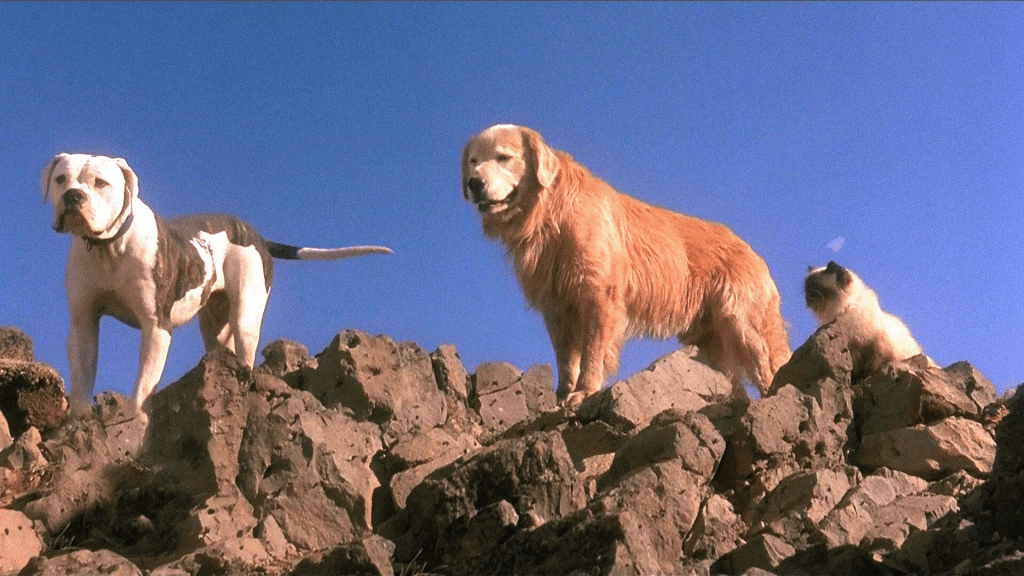
I’m a 90s kid, and 90s movies capture the essence of fall like no other decade. Something about the color tones, music, and abundance of denim and scrunchies just screams fall, and it doesn’t get more iconic than the classic Air Bud film that kicked off the beloved franchise about a dog who loves his people and playing sports.

This movie started it all (for sure, my childhood crush on Golden Retrievers and Kevin Zegers). It’s just brimming with nostalgia, and the ending is triumphant and beautiful.

Ages: 4+

Scare/intensity: 3/10 (a dog is endangered, a coach mistreats a child on his team before he is interrupted, a dog is abused by his owner)

Talking points: building trust, responsibility, valuing people and animals, perseverance

3. It’s The Great Pumpkin Charlie Brown (1966)

A fall classic for families, the story of the Great Pumpkin is one you should see at least once, but like any Peanuts classic, it’s worthy of an annual rewatch. The shorter runtime also makes for a quicker view that can fit into a school night before the kids’ bedtime.

Ages: 2+

Scare/intensity: 1/10

Talking points: respect for others

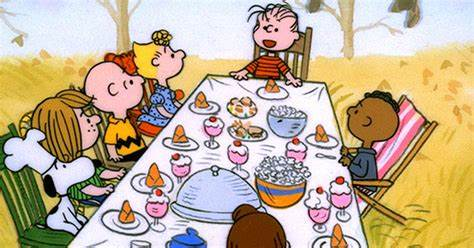
4. A Charlie Brown Thanksgiving (1973)

This is an annual rewatch in my home, and every year I look forward to seeing Snoopy get into a fistfight with a feisty lawn chair. The soft colors, delightful soundtrack, and hilarious Thanksgiving meal of pretzels, toast, and popcorn just make you happy to be alive. It’s a kid-friendly fall classic and a wonderful addition to your fall traditions.

Ages: 2+

Scare/intensity: 1/10

Talking points: gratitude, good manners, be wary of folding lawn chairs

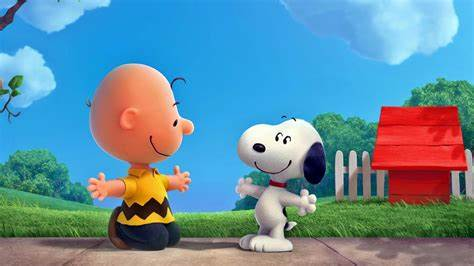
5. The Peanuts Movie (2015)

If you are a fan of the Peanuts comics, this movie is everything your heart ever needed. The Peanuts Movie is soft, engaging, and has a killer soundtrack including some dance-worthy tunes by Meghan Trainor. It gives Charlie Brown the triumph you have been waiting your whole life to see. Plus, Snoopy’s battle against the dastardly Red Baron is splashed all throughout a delightful story of Charlie Brown being Charlie Brown. This is the perfect movie for a cozy fall evening (just be prepared to get up and dance on a few scenes).

Ages: 2+

Scare/intensity: 3/10

Talking points: honesty, respect for others, believing in yourself, perseverance, character matters

6. Pooh’s Grand Adventure (1997)

This was the movie I watched on my ninth birthday, and it made my whole family laugh out loud. I loved Winnie the Pooh as a kid, but when I revisited this movie almost 20 years later, I realized it was just as delightful as I remembered, and I actually laughed at more lines and moments as an adult than I did as a child.

The soft color pallet, charming storyline, and hilarious lines by Pooh’s friends make this one of the best fall movies for families.

Ages: 2+

Scare/intensity: 3/10

Talking points: friends are worth taking risks for, you can still be brave even when you are afraid, teamwork and friendship can get you through anything

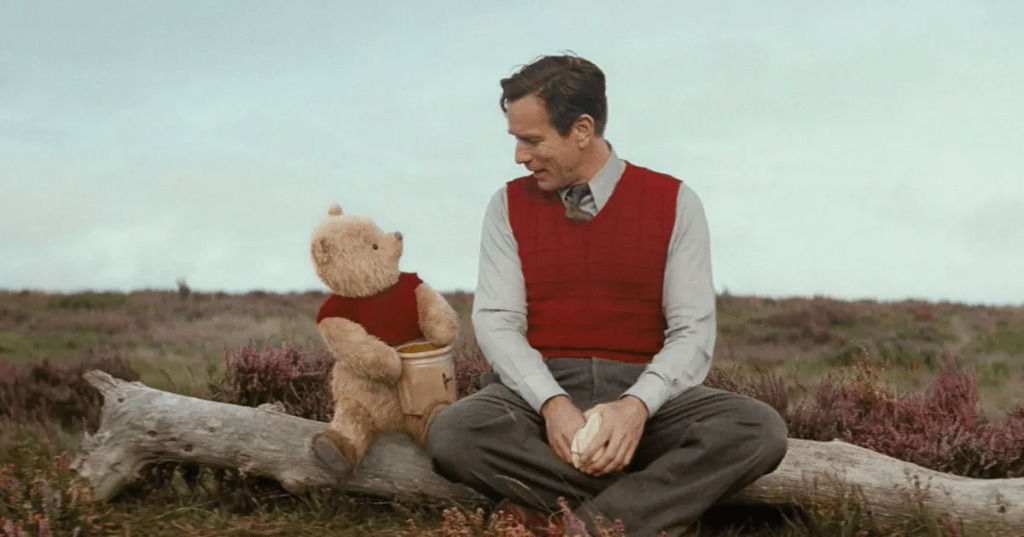
7. Christopher Robin (2018)

As a self-avowed Winnie the Pooh fan, I was entirely delighted with how beautiful this movie is (Ewan McGregor and Hayley Atwell on the same screen!). The concept of losing the innocence, belief, and courage of childhood as you grow up is a painful reality we can all relate to; so, it’s healing to watch an adult Christopher Robin rediscover the magic of the 100 Acre Wood, Pooh and his friends, and his own life. I wouldn’t say this movie is strictly a fall movie, but it’s all about family and embracing the future you want, and that just feels like home, family, and fall to me.

Bring tissues, prepare to laugh and cry, this family movie night idea is one you won’t regret.

Ages: 4+

Scare/intensity: 3/10

Talking points: time with your loved ones is the most important thing, don’t stop believing, always remember who you are, joy and imagination belong to everyone

8. 101 Dalmations (1996)

Yep, another 90s movie, I’m telling you, 90s is the king of fall. 101 Dalmatians is one of my favorite classic Disney films, and this live-action version is almost beat for beat the same as the original, with Glenn Close playing a very convincing Cruella De Vil. The humor between Roger and Anita is highlighted a bit more, and the dozens and dozens of Dalmatian puppies just makes my heart happy. Puppies, London, and a classic story make this a top fall movie to watch with your children.

Ages: 4+

Scare/intensity: 4/10

Talking points: protecting animals, sticking together as a family, love can grow as your family grows

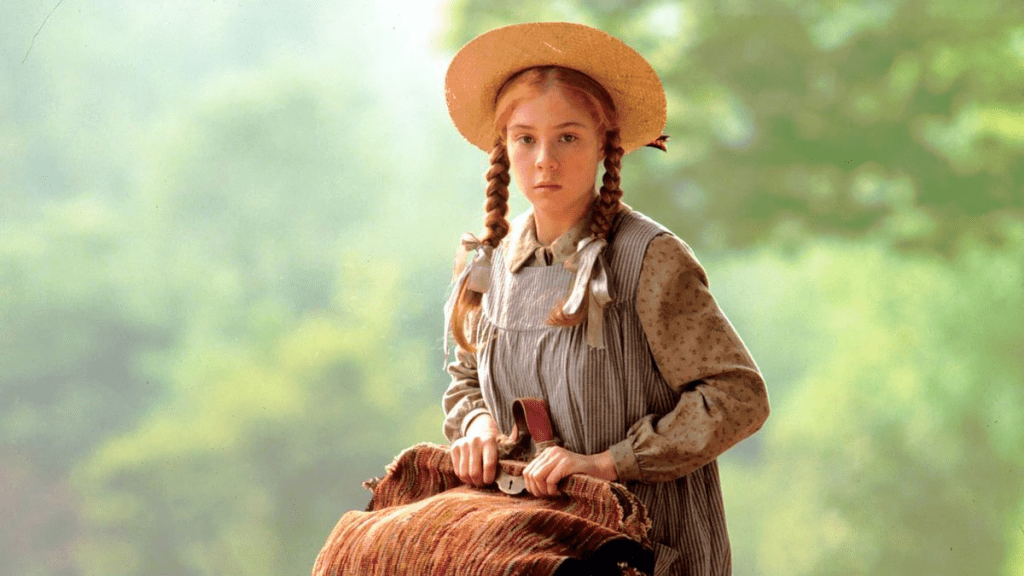
9. Anne of Green Gables (1985)

Prince Edward Island. Green Gables. Gilbert Blythe. Iconic, spectacular, warm, hilarious, and heartwarming are only a few words that can begin to describe how precious this classic is. I have read the entire Anne of Green Gables book series by L. M. Montgomery more than once, and this version of Anne Shirley’s story is without a doubt the best available on screen.

While many seasons are shown in this series, it often returns to fall and fall in Prince Edward Island is something spectacular. Like me, Anne feels hope and possibility in the fall, and many life-changing events happen to her during the season.

This classic is a must-watch fall movie for the whole family (and educational since it’s made from a book).

Ages: 6+

Scare/intensity: 4/10 (a child is yelled at or grabbed by the arm, a child is sick, a child becomes intoxicated by accident, a beloved family member dies)

Talking points: what makes a family, using your imagination is beautiful, think before you act, home is where your heart is

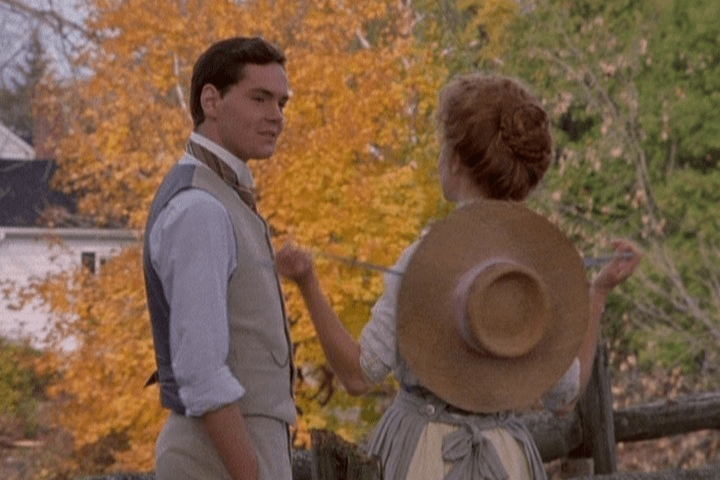
10. Anne of Avonlea (1987)

A continuation of Anne Shirley’s story, this one shows us Anne going off to teach at a high-brow girls’ school, and it is most distinctly fall for a large portion of the movie. If you loved the first installment of this series, then you will love the sequel.

The final scene of this film is one of the most beautiful moments in the whole series, and yes, it takes place in fall.

Ages: 6+

Scare/intensity: 3/10

Talking points: what is true love, who we are matters more than how much money we have, kindness can change people

11. Homeward Bound (1993)

Five-year-old me is still recovering from watching this classic. If you were to ask a whole generation what one of their most traumatic childhood moments was, they would immediately show you the scene of Shadow in the mud pit. That being said, the triumph of watching Shadow limp into the yard to return to his beloved boy is a top millennial moment.

This film is sweet as we watch humans and animals become a blended family, go on a great adventure, and find each other again.

Ages: 4+

Scare/intensity: 5/10 (animals are endangered, a child is lost)

Talking points: blended families are beautiful, never give up on those you love, home is where your people are

12. Jumanji (1995)

90s again, not sorry. The original Jumanji film starring Robin Williams is a must watch fall movie for the whole family. The zany/creepy storyline, delightful set, and always-stunning performance by Williams is a treat, and sets you up to enjoy the modern Jumanji installments even more.

Ages: 5+

Scare/intensity: 6/10

Talking points: think before you act, never give up on the people you love, family is more important than anything else

13. Penelope (2006)

This slightly darker but rich “modern” fairytale is unusual, and spectacular. After a tragedy, a family line is cursed, and a little girl is born with a pig snout. In her journey to find true love, she discovers the beauty and cruelty of the world, and in the process, she discovers herself.

This is not a movie I would turn small children loose on, it’s too complex and heavy for that, but older kids and teens can enjoy the rich themes of identity, hope, and unconditional love this movie offers. The story ends on Halloween night, making it a perfect Halloween family movie.

Ages: 10+

Scare/intensity: 6/10 (references to suicide, a scene of a witch cursing a family line, some passionate kissing)

Talking points: all people are of equal value, loving yourself is important, your identity cannot be based on what others think or say about you, true love is about a heart connection, life is too wonderful to miss

14. Little Women (1994)

I’ve read the American classic by Louisa May Alcott so many times I have parts memorized. I have enjoyed multiple adaptations of Little Women on screen, but I have to say this version is the best if you want the story closest to the book that captures the heart and beauty of the March sisters’ story. You will laugh, cry, and feel. This is a great discussion starter movie to share with your children about home, family, and dreams.

Ages: 7+

Scare/intensity: 5/10 (family members are sick, a beloved family member dies, a child falls into an icy pond)

Talking points: change is hard but good, it’s important to know who we are, love and family will get you through pain and hardship, your story matters and means something

15. The Hundred-Foot Journey (2014)

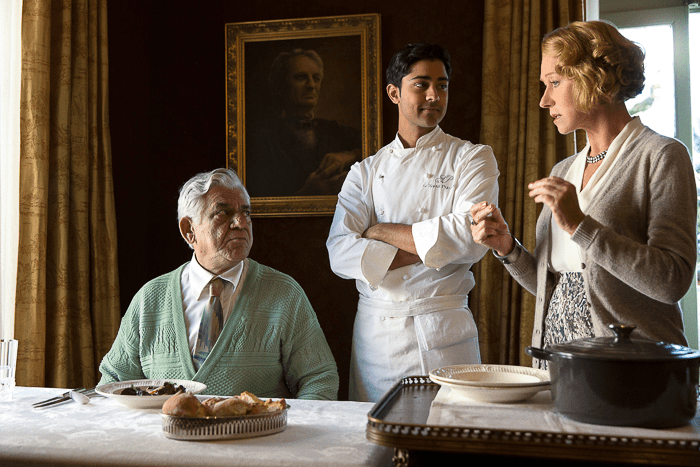
This is one of my favorite movies. It’s very food-centric, which is why I have chosen it as a fall movie for families as food is a big part of our traditions this season. This is a beautiful story of family, cultural differences, enjoying the moment, and remembering who you are. The scenery, soundtrack, performances, and food (did I mention the food?) will linger even after you have finished watching.

Ages: 7+

Scare/intensity: 7/10 (a parent dies in a fire, a person burns their hands, graffiti is painted on a family’s wall)

Talking points: we can carry who we are wherever we go, we all have something unique to contribute, two cultures can blend to create something new, home is where your heart is

…..

May you enjoy many cozy movie nights with these family movie night ideas. Happy Fall!

Is Tech Dead? Star Wars The Bad Batch

Is Tech really dead? Maybe yes, and maybe no.

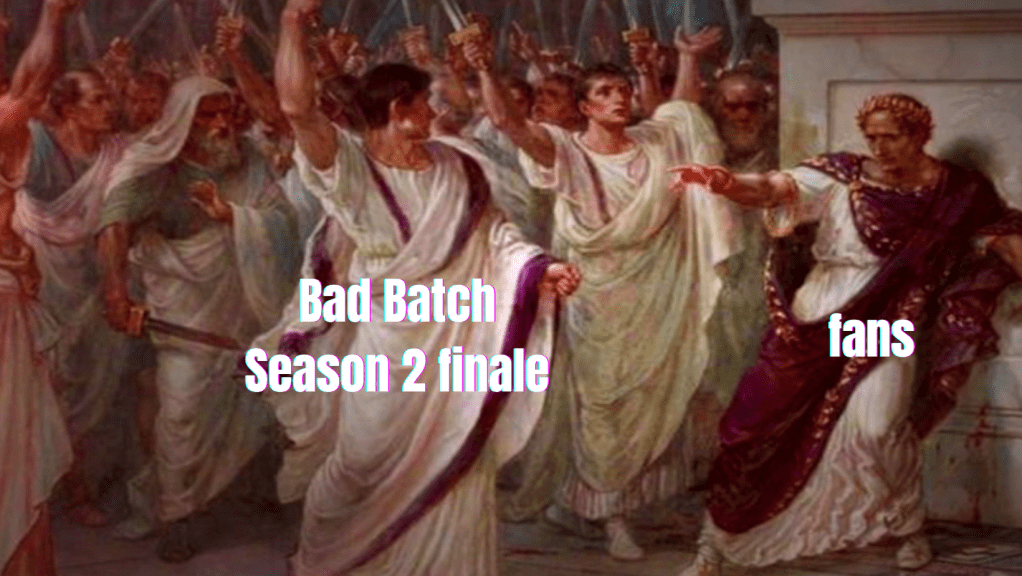
Season 2 of Star Wars The Bad Batch was very much an Empire Strikes Back ending…Omega is in the hands of the Empire (the extra creepy Empire because “science” is involved), the Batch are down a brother, Crosshair is recovering from his torture sessions, and oh yeah, a random “sister” of Omega’s got thrown in.

Also, both Dr. Royce Hemlock and Cid are walking around without a single blaster hole in them, a major oversight on everyone’s part.

For a season that started slow and appeared to have multiple “filler” episodes, the ending was a total rip-roaring gut punch of action, emotion, and high stakes. I don’t doubt that we will get Omega back (though I hope it doesn’t take a whole season to reunite our beloved clone family), and I think Crosshair is gonna make it.

But the biggest question I have hanging over my head right now is this: is Tech really dead? I have thoughts from both perspectives, read on and see which one you agree with.

Answer 1: yes

Tech was already an amusing character in Season 1, but in Season 2, he became a beloved character. His emotional growth was both stirring and delightful. In the season opener, we watched him grow in his perspective on formerly Separatists worlds–he learned to see them in a new way. He also proved what a tough cookie he is by kicking butt and saving the day while limping around on a broken femur and barely complaining about it. Intriguing.

Tech’s ability to think on his feet and think creatively caused him to utterly dominate the riot races. It was a wild and reckless side of him that was even more delightful because of his methodical and mathematical approach. Somehow even the simplest action or word spoken by Tech has a way of taking on new meaning or even humor.

Tech’s difficulty in conversing with Omega and understanding her heart’s need surrounding Echo’s temporary exit from the team made for one of my favorite episode interactions this season. His acknowledgment of the losses they have suffered, as well as the fact that they are not just a squad, but a family…well, that got me. It got me good.

One of my favorite actions in the entire season was when Omega fell down the mine shaft, and without hesitation, Tech dropped his pack and dove after her. I loved that so much. He didn’t know what would happen, he didn’t know if he could even help her or improve the situation, all he knew is he was going after her. Once in the water, Tech grabs hold of her and doesn’t let go, even if they drown they will drown together. That powerful visual spoke of a love that was so powerful and unquestionable, to see it come from him just really drove home what a remarkable individual he is.

Even the small momentof Tech noticing Omega’s laugh at Pabu, and his comment, “I have not heard her laugh like that in a very long time” was such a powerful detail. He knows what her laugh sounds like, and he can tell when there is a deeper joy in it. He’s paid attention in a way only someone who loves you can.

Crosshair was the logical choice for an expected casualty for the Bad Batch, but Tech was the one they set up for it, aside from Hunter or Omega–who occupy roles that really cannot be replaced or removed–Tech was going to give audiences the greatest emotional impact. They built him up, just to take us down, and I’m still smarting over it.

Answer 2: no

There is such a thing as a cheap fake–out death, and this should not be done regularly. Death is pretty intense, y’all, and should not be treated lightly. But I believe that it is okay to bring a character back whom everyone thought was dead–you just have to do it the right way.

Tech’s death was implied, but it was also never confirmed. All that piece of rat poop with legs named Dr. Royce Hemlock said is that he was only able to recover Tech’s goggles. So, he found the goggles. Or Tech’s fractured body. Or maybe he has Tech in a bacta tank somewhere on ice, and he intends to keep Tech around for nefarious purposes. After all, Tech isn’t just muscle and skill, his brain is breathtaking in its abilities…what crazed and dehumanized genetic scientist wouldn’t get excited about that? It’s also possible Tech is roaming around on the planet below, having come up with a way to not only survive the fall but also plan his escape to regroup with his family. Anything is possible.

Here’s another thing, Star Wars is pretty consistent about confirming a death. The body count for this galaxy far, far away is pretty high. We watch everyone from soldiers to beloved OG characters (NO, HAN, NO!!!) die right in front of us. The Clone Wars became an absolute bloodbath in the later seasons as the approach of the Sith’s triumph and Palpatine’s reign grew nearer. We watch Jedi after Jedi fall over and over again (because Star Wars is convinced we want to see Order 66 from every angle possible). The only character you are allowed to have any confidence in seeing survive in Andor is Cassian himself and that’s because you know he can’t die until Scarif (a mere few years later). You’ve got a limited amount of time with this guy, but at least you know he won’t kick the bucket on screen like the dozens of other characters that die with more or less ceremony. Star Wars: Rebels killed their beloved mentor Jedi, Kanan Jarrus/Caleb Dume several episodes before the series finale.

Star Wars is pretty okay with killing off characters and they have never apologized for it.

But what do all of these deaths have in common?

You always know for a fact that they are dead. You see it happen, whether it happens fast or slow, you can always know that they are dead.

(Ahem, and this is why we should have hired an escort to ensure that Palpatine fell ALL THE WAY down that shaft and died in the cold of space rather than having time to resurrect himself in the Sequel Trilogy. Shafts are clearly the wrong way to kill someone as has been shown in the failed deaths of Darth Maul, Sheev Palpatine, and Ben Solo.)

Echo–another Bad Batch member–appeared to have been killed in the classic Citadel episode series in Season 3 of The Clone Wars. But as we found out in Season 7 when we first met the Bad Batch, if you don’t see a death confirmed, then you may keep that death in question.

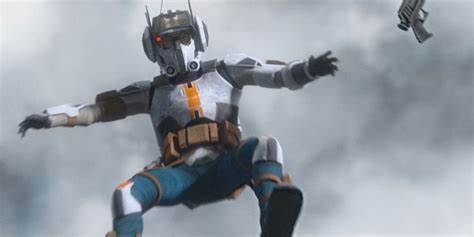
Tech disappeared into the mist. True, he was about to fall hundreds of feet with a rail car falling above him…but we know Tech. If anyone can figure out how to NOT DIE in the time it takes to fall that far, it’s Tech. After all, he does have the ability to “…think clearly in high-pressure situations.”

Whether it’s a clone, Jedi, smuggler, spy, or random background Rebel pilot, you always know when they are dead. And with the mention of Tech’s goggles, I find that an even greater implication is that Tech may indeed be alive. Will he be the same on the other side of all of this? I can’t say, but he may still be alive.

And you know what? I’m okay with that. Because they never explicitly showed me he was dead, and I’m okay with him being alive…he deserves it, and so do we.

It’s not like Star Wars has to prove it must be taken seriously by showing that they are willing to kill off a beloved character, that’s kind of a Star Wars MO. It would be a change to actually see a group all make it out together!

Franchises like Marvel have overplayed the death fakeout, but Star Wars? Actually no, they have not, especially where heroes are concerned. Villains in this universe seem to have amazing bounce back abilities, aren’t we due for a hero to get a second chance as well?

Answer 3: yes

Foreshadowing, ah, that subtle, frightening weapon that when put in the hands of a master storyteller can create such a gut punch it leaves you breathless and coughing.

And the truth is, this season was chock full of foreshadowing that Tech wasn’t going to make it.

His life was endangered more times than the other Bad Batchers. There were lines and phrases (lsubtle things) sprinkled throughout the episodes that would be meaningless on their own…but frightening in the light of impending death. Even the fact that it required a “precise shot” to separate the rail cars, something that we knew was Tech’s wheelhouse after he shot their way out of the ipsium mine.

Tech had the most notable character growth of anyone this season, does that mean his story is done? He died a noble death, saving his siblings with a calm focus and love that is so in line with who he is.

Tech is the one who prepared Omega to face hardships when they found themselves stranded on a hostile planet, would it not be poetic that Omega takes his lessons and uses them to survive a future without him? It hurts, but it was well-written, almost hidden in the “filler” episodes that we complained about.

Answer 4: no

Tech has made a big impact on the Star Wars fandom.

One of my favorite things that Tech has done is to show some of both the unique beauty and the challenges and hardships of individuals who are on the spectrum, as he exhibits many qualities of someone on the spectrum. More TV shows are seeking to include characters who think and see things differently, and they are finding incredible success with it (just google Matthew on The Chosen).

Everyone is different, and not everyone can relate to Tech, but he has become a fan-favorite for a variety of reasons. Whether it’s Tech’s humor, his brilliance, his unexpected moments, or his character growth, Tech is a gift. Is Star Wars really done with this remarkable character?

What do you think?

I think it would be nice for once to see a Star Wars family actually get to remain intact and survive all of the chaos. Not that they won’t face hard times, not that they won’t change or grow, but that they actually get to all make it through together.

Answers must be had…we must have a Season 3. There is no way around it, we must have a Season 3.

So, do you think Tech really dead?

Chang Can Dunk Is a Slam Dunk

The “coming-of-age” genre usually produces a mixed bag of things to chew on, many of them worthy of spitting back out because they are pure junk.

Our culture sucks at helping kids grow up well. We teach them how to burn themselves out physically and emotionally before they are even in their 20s. We teach them to place their identities in fragile, superficial things. We teach them far too early about sex (often a toxic version of it) but not about true love and creating healthy relationships. We drive a wedge between children and their parents and then wonder why both fall apart. We give kids unrealistic expectations for life and misplaced priorities and then watch them unravel over time. We encourage children to do foolish, bad things and then act like holding them accountable is wrong (FYI, that’s not how the adult world works, so we are setting them up for a fall).

We glorify trauma at a level that waters genuine trauma down and also extends the power trauma has over children’s lives. We over hype life’s BIG moments but fail to cast a vision for the long journey that life is.

And unfortunately, coming-of-age movies usually add fuel to the fire…but occasionally, a gem of a movie comes along.

Chang Can Dunk is exactly what a coming-of-age movie should be.

Chang, a 16-year-old Asian American, bets the highschool basketball star that he can dunk by homecoming. The bet leaves 5’8′ Chang on a quest to learn to dunk–not only to impress his crush Kristy, but gain the respect of his highschool peers as well. But before he can rise up and truly throw one down, he’ll have to re-examine everything he knows about himself, his friendships, and his family.

Disney+ film description

I had seen a trailer a few months back and thought it might be cute but not necessarily memorable. Instead, I found myself gripped on a human level by the simple story of a kid who believes if he can just dunk a basketball, his life will change for the better. The story is simple, but the portrayal, meaning, and themes are rich and deep. We watch a kid learn what it means to grow up and grow up well. You come away from the movie having learned something and feeling encouraged, a rarity for movies in this genre.

Chang is a relatable hero if a flawed one. His dysfunctional relationship with his mother is one that can ring true for many families. His friends are genuinely positive relationships that shape and guide him throughout his story. His absent father is a subtle, never-seen character in the movie, but his lack of presence is felt in both the lives of Chang and his mother. That being said, his character is also shaped by an incredible mentor figure who gives him wisdom and guidance when he needs it the most.

Chang’s life and perspective are shaped by both lack and blessing. You see him rise high, and you see him fall hard. It’s sometimes a painful and even intense experience. These harsher moments are balanced out by moments of light humor, life-giving conversations, and actions of love and redemption.

This movie surprised me with the layers of depth and symbolism they wove into the story and characters. Plot threads were laid down well and followed through. The character arcs were realistic and messy in how they were lived out, but graceful and triumphant in their resolve.

If I went into every detail of this movie that I found beautiful, this article would be ridiculously long, and I would spoil the whole story. Instead, I will give you the highlight reel.

Chang is faced with many obstacles. He overcomes them, but not without facing failure, the death of some of his expectations and beliefs, and even a miserable amount of humiliation. This movie is more honest about what it looks like to fall, but the great part is watching how Chang gets back up. He accepts his lessons with humility, and he receives the wisdom offered to him by his friends, mentor, and even his mother. He does not park his life in his pain and failures (a terrible lesson we are unfortunately teaching many young people) instead, he grows through them and perseveres until things do get better. We watch Chang grow in character and in peace with both himself and others.

Chang’s mother is not likable for most of the movie, sometimes she is wrong and that is clearly shown. But rather than just painting her as a straight-up villain like many coming-of-age stories, we are also given a compassionate view of her broken heart, as well as the guilt she carries over her failures. She’s shrinking down to nothing inside, and she doesn’t know what to do. She and Chang spend much of the movie at odds with each other, but progress is made when they choose to love, forgive, and turn toward each other. This movie actually paints positive parent-child relationships as a necessary and desired part of life. How refreshing!

Chang’s friends are supportive of him, but also honest. The girl he likes, Kristy, has a healthy self-esteem and identity that is separate from being “the pretty girl everyone is interested in”. She encourages him in his relationship with his mother and also calls him out on the carpet about his crap. His best friend Bo supports him with his time and belief in him and is a good sounding board.

Chang’s mentor speaks life, wisdom, and affirmation throughout the movie. His powerful words of grace and gratitude put to shame the cheap, superficial jargon about small dreams, self-obsession, and empty goals many other movies of this genre have. He sees who Chang is, and who Chang will be, and he actively helps him on the journey of becoming that person. He is for Chang what his mother is struggling to be, and what his father won’t be.

Chang’s great moment of humiliation is intense and miserable, but you are shown that this awful experience is not the end of his life (we need to stop teaching kids this, it’s literally killing some of them)…in fact, this moment for him is the beginning of something deeper and richer. By the time you reach the end of the movie, you see a dream come alive that’s bigger than just dunking a ball. You see Chang for who he was made to be, and it is beautiful. He has grown, and we have grown with him.

If you are looking for a movie that will actually encourage your children to grow and thrive, Chang Can Dunk will do that. Don’t waste your time on the fluff and filth many other “classic” coming-of-age movies have to offer, go straight for the meat.

I recommend this movie for children aged upper elementary through high school for the intense emotions and light language (there are a few uses of hell, damn, and oh-my-g**). A teenage boy and girl share long kiss alone in a darker room (at about one hour into the movie). They are fully clothed and nothing extra is implied. We see public humiliation and bullying as well as the beginning of a physical fight between two teenage boys who we see are bruised after the fact.

This movie can be enjoyed by all people, but I think moms and dads will especially appreciate the topics this movie covers. Chang Can Dunk presents a wonderful opportunity to launch some powerful discussions with your children about life, perseverance, and relationships.

10/10, Change Can Dunk was a slam dunk.

We Are All Cassian Andor

There is so much to unpack from #Andor that I’m not going to attempt to do it all at once. But I came across something so deeply meaningful in the first few episodes that I had to pause and write about it. Whether or not you watch the show, there is something remarkably encouraging to learn from what I’m going to share below, so read on.

I’m only five episodes in and still brewing on the incredible story that I’m watching unfold. I wouldn’t call this a “fun” show. The Mandalorian is fun and super rewatchable. The Bad Batch is fun, I’ve watched the first season three-four times already.

Andor is not “fun”, but Andor is incredibly powerful, and I am sitting here watching it as a student of storytelling and learning so much. (And yes, the cinematography and detail are breathtaking, and the action scenes are mindblowing in their choreography. Also, the score is pretty epic.)

Rogue One is where this whole story leads, so we have gotten the story backward. We know where Cassian ends up, and now we are learning how he gets there. It’s a good thing I know who Cassian Andor becomes because when I first “meet” him in Andor, he is not a likable character. In fact, almost no one is. They are all grubby (Star Wars does have showers, right?), striving, miserable people who are trying to eek a living out of a cold, wet, muddy planet. I have yet to see a bright color, a big smile, or a green plant in this place.

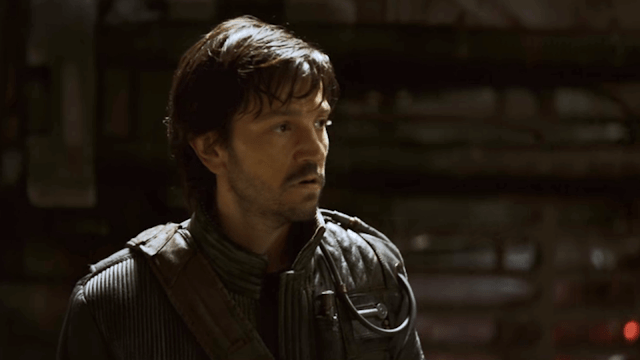
Cassian himself is a walking hurricane of unpleasantness (even his suave good looks can’t cover that). He’s angry, bitter, miserable, guilt-ridden, and scared all the time. He owes everyone, owns nothing, and hangs his head low. He has no sense of solid identity or dignity. You can see the guy has street smarts, but his head is down in the mud. His only ambition is to stay alive (quite reasonable but not exactly inspiring). If I hadn’t already seen who Cassian becomes, I would be tempted to give up on this guy.

Through a series of unfortunate and bleak circumstances, Cassian ends up needing to make a quick getaway from his current planet – Ferrix. The authorities are going to track him down and likely hang him. He’s been saving an item for his insurance policy, an incredibly valuable and rare Imperial part, and now he believes the sale of this part will be his salvation and give him enough money to go on the run. Through a friend, Cassian calls in a mysterious “buyer”. He hopes to make enough money to go on the run, and leave some for his adopted mother – Maarva – one of the only characters you feel a hint of warmth towards in the beginning.

We see the arrival of the mysterious buyer, and as all mysterious buyers should arrive, he arrives VERY mysteriously. He is stoic, and silent, with a wall of concrete in his face (but his trench coat is absolutely fabulous as all mysterious trench coats should be). However, you feel the power this man carries. He has come, and with his coming, he carries the weight of destiny and greatness in his every step. This is a man who brings armies to their knees, a man who causes planets to shake, a man who is willing to find diamonds in the mud and set them in their rightful places. There is a sense of purpose, identity, and confident dignity in this man’s every thought, movement, and facial expression. He appears to be the exact opposite of Cassian.

As this mysterious buyer flies on public transport into the city on Ferrix to meet with Cassian, a friendly stranger strikes up a conversation with him, complaining about the high prices and swindlers on this planet. Then, as the transport just reaches the city’s edge, the stranger says something profound, “You know what they say, if you can’t find it in Ferrix, it’s not worth having.” The buyer smiles slightly, he seems to understand the concept well.

At this moment, the soundtrack picks up to tell you to pay attention. The scene transitions and we see the same transport is now in the sky, flying right above the grimy section of town where we see a desperate Cassian Andor running through the muddy streets to prep to meet the buyer.

I paused, rewound the scene, and watched it again, letting the impact of that moment fully sink into my heart. “If you can’t find it in Ferrix, it’s not worth having.” And then we see Cassian.

Cassian Andor is worth having.

The buyer and Cassian meet in an appropriately shifty warehouse. Cassian is all business, he wants to sell his part for a high price and leave before anyone can catch up to him. The buyer, Luthen, wants to have a conversation. He wants to know HOW Cassian came across this rare Imperial part. Cassian reveals, “You just act like you belong there. They are so arrogant, they cannot imagine that someone like me could walk into their houses, their factories, spit in their food. They don’t even care.”

Luthen agrees, and then speaks in greater depth on the great evil the Empire represents, how they control people and tell them to move, how to live, when to die, and so on and so forth. Cassian does not understand the purpose of this conversation, aren’t they just here to do a deal and move on? Then Luthen reveals his true purpose. He didn’t come here just for a part, he came here for CASSIAN.

“Special people are rare.” In moments he reveals he knows Cassian’s entire backstory (freaking the crud out of Cassian). Luthen came for something far more important than a rare part, he came for a rare person – the person he believes Cassian to be. Luthen is building a rebellion, and he wants Cassian to join it.

At this moment, the authorities show up (intent on bringing Cassian into custody). Luthen already has a plan for extraction, but Cassian is still not grasping this larger picture. In the midst of blaster fire back and forth, Cassian tries to retrieve his rare part (despite Luthen warning him not to). This foolishness causes Cassian to get shot and get hit with a piece of machinery. He still continues to go back for that dumb part, over and over again. Finally he is forced to flee the building, and even after he and Luthen have escaped the premises, Cassian says, “The box! We could still go get the box!”

We, the audience who know the details of this Rebellion that Luthen is building, cannot believe that Cassian is so hung up on that dumb box. It’s rare, yes, but it’s just a part. It’s a tiny piece. It’s an insignificant moment, but to Cassian in his current, head-down mindset, that dumb box is everything.

See, Cassian does not believe that he is worth having. He sees himself as a meaningless, useless bit of trash. For how much he hates the Imperials, he sure agrees with them in how he treats himself and his life. He does not see himself as he is, or as he can be.

Luthen, on the other hand, carries a higher perspective. Luthen sees the whole galaxy, and he sees one man. He sees how one man and the whole galaxy are connected. How one man can be the tipping point, the domino that falls to change a whole, enslaved galaxy. Luthen sees the purpose, potential, and destiny that Cassian carries. Luthen sees a diamond in the mud that he desires to pluck out of the grime and put in its proper place. Luthen sees Cassian, and Cassian is terrified of it. He either can’t, or does not desire to see himself as what he can be. So he fights against this idea that Luthen has. He cannot see that he is worth having.

In flashbacks, we see Cassian as a child, stranded on a distant planet where a mining disaster presumably killed all of the adults. A ship crashes on the planet, and Cassian is inside the ship, exploring it. His current life is very primitive, he carries a blow-dart gun and wears face paint. Upon entering the ship, Cassian finds a whole room of shiny glass displays. He looks at himself in the reflection, and he is somehow horrified to see himself. What does he see? Fear? Sorrow? Loneliness? Anger? Hopelessness? Vulnerability? In a fit of rage, child Cassian begins smashing screens as he screams as hard as he can. He doesn’t want to see himself, he doesn’t want to believe.

It is at this moment that a younger Maarva – a scavenger – comes upon young Cassian. She is instantly moved to compassion, seeing a child who is in need of warmth, love, and safety. Her scavenger partner would leave Cassian to his fate, but Maarva refuses. “I’m not leaving him here to die.”

Cassian fights her, so she injects him with a sleeping drug and then carries him to her ship, laying him gently down on the bed. She sees Cassian as he is and as what he can be, and though he may fight her, she’s going to pick him up and carry him away to a better life.

These flashbacks play back and forth in between the scenes of Luthen and Cassian making their escape from Ferrix. Cassian emotionally fights Luthen’s attempt to pull him out of the wreckage of his life and take him into his future, but circumstances force Cassian to board Luthen’s ship and take off with him. The flashbacks play back and forth, we see Maarva take child Cassian away from the brokenness of his childhood, and we see Luthen take grown Cassian away from the wreck and ruin of his current life. Both of them fly Cassian higher, to a higher perspective, a greater purpose, and both of them force Cassian to look at himself.

Luthen makes a statement to Cassian that seals this whole message together.

“I said I know you, I know the outside, I know what people tell me when I ask, but the rest I imagine. I imagine your hate (for the Empire), I imagine that no matter what you tell me or tell yourself, you’ll ultimately die fighting these b*[insert non-family-friendly word]*s. And what I’m asking you is this, wouldn’t you rather give it all at once, for something real, rather than carving off useless pieces until there’s nothing left? I didn’t risk my *** for the Starpath unit, I came for you.”

The weight, enormity, and power of this statement hit so hard when you know who Cassian Andor is going to become. Cassian Andor is going to become one of the integral few that manage to retrieve the Death Star plans, and thus be the tipping domino that begins the chain reaction that will bring the Empire down. Cassian Andor is destined to help destroy the Empire, and yes, he will die doing so. But he will die sitting peacefully on a beach with a woman he’s learned to love, and he will finally be at peace with himself and what he has given his life to. Cassian Andor is supposed to change the galaxy. Cassian Andor is worth having, he is worth fighting for, and Cassian Andor was made for more than scrounging in the mud. He cannot see it, but someone else did, someone else who was willing to go down and get him, and lift him to a higher perspective to launch him into his destiny. They both desired to bring Cassian into something that mattered, something real! This has happened twice for Cassian, both as a child and as an adult.

Luthen and Maarva are very imperfect characters, I make no claims that they accurately represent all of Who God is, but they represent an aspect of His heart and how He does things that are so incredibly powerful.

You see, we are all like Cassian Andor. We are tired, vulnerable, lost, angry, bitter, broken people who (if left to our own devices), would spend our entire lives running around on the ground in the mud, just trying to get ahead. We use people and things to try to fill up our empty places. We dive into the middle of firefights and get shot up for useless parts and pieces that in the grand scheme of life are meaningless. And often when God, or someone God has sent, comes into our lives to pull us out of that place, we fight them. We are terrified to see ourselves not only as what we are but also as what we could become. We do not see ourselves as having a purpose, meaning, and potential. We do not see ourselves as rare, valuable, special, and “worth having.” We do not see the future where we are an integral part of something important, meaningful, and galaxy-shaking happening. We have such small, mean, broken perspectives, and we could literally waste our entire lives and die in them.

Maarva – “I’m not leaving him to die.”
Luthen – “I didn’t risk my *** for a Starpath unit, I came for you.”

You are a Cassian Andor. It doesn’t matter what mud-hole you came from, it doesn’t matter what you have done, it doesn’t matter how broken you are, you are worth having. Your life matters. You have an integral part to play in this world. You are special. You are rare. You mean more than useless parts. And God did not leave us to die, and He came FOR us! Like Luthen and Maarva see Cassian, God sees you. He knows who you are and what you are made for, and He desires to help you walk into your identity with confidence and purpose. You are a diamond He made, and He desires to set you in your rightful place.

Lift your head up, friend. Look at yourself the way He does.

I’ve only begun this show, and while I don’t pretend to like, agree with, or condone every action taken by every character or show creator. However, I can already see how many threads of powerful truth are woven into the fabric of the story, and I am deeply touched by it.

Maisie Lockwood and Sylvie: How to Advance Plot Without Sacrificing Character Growth (Part 2 of 2)

In Part 1, I showed how two franchises advanced the growth of two main protagonists, Claire Dearing (Jurassic World) and Loki Odinson (Marvel) while still ushering in terrible world events. These two characters grew while still maintaining active participation in the story moving forward. The growth required from both Claire and Loki was that they show restraint where they previously had not. Both characters passed the test and chose to limit themselves.

However, if they had been the only players on the board, the terrible events would have been stopped right then and there. Which is great in a real-life scenario, but not so great for a fictional story that requires conflict to keep moving. The storylines in both the Marvel and the Jurassic franchises needed terrible events to happen in order to move forward.

This is where Maisie Lockwood and Sylvie come in. They are what I like to call “the innocents”.

Maisie Lockwood takes the role of “the innocent” in Jurassice World: Fallen Kingdom. She also fills that vital child role that exists in every Jurassic installment.

Look at that face! So much sweetness and fresh life!

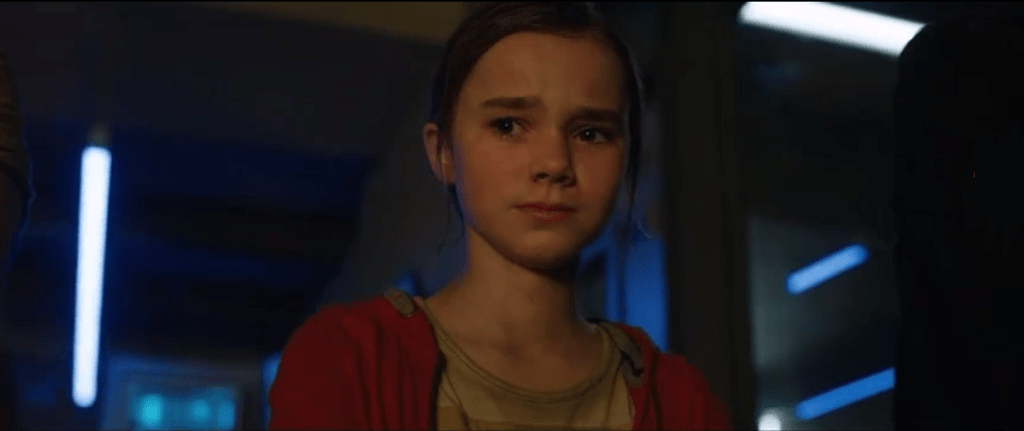
Maisie Lockwood is the granddaughter of Benjamin Lockwood, who was apparently John Hammons’ business partner back in the pre-Jurassic Park days. A difference of beliefs separated the two and is our “convenient” explanation for why we have never heard of Lockwood before. Maisie is about 10-11 years old. She’s sweet, playful, curious, and has the beautiful sense of wonder that all of the child characters bring to the Jurassic series. The themes of the Jurassic franchise are never more clear than when we see how they affect children.

One thing we discover about Mr. Lockwood that is different than John Hammond is what Lockwood does with genetic technology. Lockwood decided to use genetic cloning technology to create a clone of his beloved daughter, who was tragically killed in a car crash. Maisie is not actually Lockwood’s granddaughter, but a genetic recreation of his daughter. The ethical questions involved there raise the roof to a whole new level. As I said in Part 1, every Jurassic installment is always engaging with the important theme of how we value life.

Maisie discovers Eli Mill’s evil plan to exploit the dinosaurs instead of saving them. She is caught by Mills when trying to investigate further, and he locks her away in her room and then murders her grandfather. Maisie finds her dead grandfather and has to escape where she blessedly crosses paths with the good guys, Owen and Claire. During the evening they are hunted by Eli’s latest pet project – the Indoraptor (your worst nightmare of a dinosaur). To put the cherry on top, Eli drops the bombshell that Maisie was created the same way the dinosaurs were. She’s a genetic clone that he had hoped to maintain control over. God only knows what he might have done with her if she hadn’t escaped! This revelation trumps any birds and bees or puberty talks any of us have ever had. Try processing that kind of information when you’re having the worst day ever!

The day ends in the control room where Claire has to make a horrible choice between letting the dinosaurs die, or setting them loose on an unsuspecting population. She wants to, but she cannot, so she walks away from the button in tears as she watches the beautiful creatures in agony. It’s awful…but then…

The light goes green, and the doors open releasing the dinosaurs to the wilds of California outside. All adults in the room turn around to the control panel to spot a tearful Maisie, her hand on the button. She has let the dinosaurs go.

Maisy I had to. They’re alive, like me.

Imagine having just learned you were created the same way these dinosaurs were?

It’s a uniquely triumphant moment for every dinosaur lover watching, even as we know there will be consequences in the end. The beauty of this scenario is that the dinosaurs were let loose, but we cannot actually feel anger towards the person who released them. Why? Because she is innocent, and from her perspective we understand her decision.

Maisie is a young child who has been through the most traumatic day imaginable. Her grandpa was murdered. An evil man wanted to control her. She was almost eaten. Everything she thought she knew about her life was wrong. She doesn’t even have a biological mother and father. Can you imagine getting hit with all of that in one single day when you are only 10 years old?

Children have very straightforward and honest logic. Sometimes it makes more sense than adults’ logic. And sometimes it has the best of intentions and the worst of consequences. They’re alive, like me.

In Maisie’s mind, the only right and moral decision is to release the dinosaurs. If she is alive and has value, so do they. Her value for life is strong, untainted by greed or bitter life experiences. Her heart was in the right place, even if she doesn’t yet have the wisdom or maturity to think beyond this moment and understand what she has just done.

Claire could not push that button and maintain her character growth, she knows better. But Maisie had to push that button to explain and advance hers. It’s all understandable and we follow the emotions and motivations perfectly. The Big Bad Thing has happened without compromising the growth of the characters who knew better. But Maisie doesn’t know better, and in every way possible she believes this is the right choice.

And who can blame her? Who in her life has ever taught her otherwise? The writers get their cake and get to eat it too!

Sylvie is female Loki variant who was stolen from her happy life as a child.

Sylvie was probably about the same age (in Asgardian years) as Maisie when she was kidnapped. She was committing the terrible crime of being a happy little girl, playing with toys in her own bedroom when a door from the TVA opened up and a Hunter came through and stole her away. They gave a timeline reset charge, and just like that, Sylvie was erased from existence. Scheduled to be pruned – KILLED, IT’S CALLED KILLED, PEOPLE – Sylvie made a brave escape and has been on the run from the TVA ever since.

She is a powerful woman in her 30s now (in Asgardian years). Her entire growing-up experience was about trying to hide throughout the multiverse and stay one step ahead of her pursuers. Revenge is what raised her. On the outside, she is beautiful, intelligent, cunning, witty, and bitter. On the inside, she is still that little girl who is devastated, terrified, and asking the obvious question -WHY?

Why was she removed from her happy life? What had she done that was so wrong it was okay to try kill her? WHY???

Observe. This is a child. A CHILD! The TVA just grabbed this child from her own bedroom floor, shoved her around like a criminal, and judged her worthy to be pruned. Not a single tear shed, not a single person listening to her cries for help. This is sick!

Loki falls in love with this vulnerable and aching place in her. Not because he can exploit her, which would have been the old Loki’s approach, but because he has compassion for her. Because he wishes he could restore that sense of peace, safety, and beauty of life that was stolen from her. I think he also finds her fight for life refreshing. The odd contrast between them is that Loki actually had a semi-decent life and often squandered it. He missed what was right in front of him and held true relationship at arms length.

Sylvie dreamed of getting to have that life but it was stolen from her without any decision on her part. Loki kind of deserves a lot of the crap he gets, Sylvie deserved none of it.

One of the most devastating moments to me in all of Loki was when Sylvie confronts Ravonna Renslayer, the judge who ordered her to be pruned as a child.

Sylvie Do you remember me?

Ravonna Renslayer I do.

Sylvie Why did you bring me in?

Ravonna Renslayer What does it matter?

Sylvie It was enough to take my life away from me.

Ravonna I don’t remember.

Ravonna’s dismissal of the pain she’s caused Sylvie is sickening. But then when Sylvie and Loki fight back against their TVA captors, Ravonna faces off against Sylvie with bitterness in her face.

Ravonna Renslyer This time I finish the job!

This time. This time, as opposed to last time when Sylvie WAS A CHILD ABOUT TO BE MURDERED?!? Ravonna regrets she wasn’t able to kill Sylvie sooner. This scene makes me ill. Ravonna wishes she had succeeded in murdering an innocent child. That’s so sick.

And yet, this belief system is alive in our world today. People justify the killing of unborn children, the elderly, or the disabled for a variety of reasons. “You wouldn’t belong in our world”, “You don’t fit our definition of perfect”, “You will have problems and might have a hard life”, “You will get in the way of someone/something else more important,” “You didn’t belong on The Sacred Timeline.” Etc.

The same, sick, twisted justifications that we see with glaring clarity in Ravonna are fed to men and women in the real world every day. We are fooled into destroying precious lives (young and old) by the same evil logic.

I do not say this to condemn anyone, but to condemn the lies and root of the evil itself. Life is PRECIOUS, this is a theme we see upheld in both Loki AND the Jurassic series.

When Loki and Sylvie reach the End of All Time and see He Who Remains, it’s clear to the viewer that there really isn’t a nice or safe option. We can figure out that the story probably needs He Who Remains to die. We also can figure out that the Sacred Timeline and the measures taken to protect it are evil. But is there a right choice here? That Multiversal War, whew, that’s a hefty price! The enormity of the choice sounds just dreadful.

Sylvie is right, you have to set things free. You cannot control everyone and call it “love” or “compassion”. True love does not control, this is a truth from God Himself. Loki is also kind of right, freedom and free will is a two-edged sword and there are sometimes dark consequences for it. Our own world has startlingly clear evidence of both of these facts.

Sylvie’s motivation and the intended goal remain focused. She’s going to destroy this man who destroyed her life, and in doing so she’s going to protect others from enduring the same suffering she’s had. Sylvie has had one thing to keep her alive, one purpose in life for who knows how many centuries: revenge. Destroy the people before they destroy her.

After seeing the horrors of the TVA firsthand, I can totally understand her motivation. It’s a heck of a better motivation than Loki ever had.

When I look at Sylvie, I don’t just see a woman. I see a terrified little girl trying to survive. Every time I stare into her big eyes, I see that raw fear and torment. I see her saying, “Somebody help me!”

Nobody ever tried to help Sylvie, so she had to help herself.

If I were in her shoes, who knows, I might do the same thing and feel entirely justified in doing so. Even so, enough information is shared by He Who Remains to give Loki himself major pause. Hold the phone, sister, we should think BEFORE we stab!

Loki is “right” in what he is saying. Most importantly, the hesitation and restraint he shows with both finesse and compassion are RIGHT for his character arc. Loki says “no” and I couldn’t be prouder!

Sylvie is also right. Both characters sort of face a no-win scenario in this scene. You don’t know what is going to happen, but either way, it’s going to be awful and messy. I loved that Loki said no, and I also understood why Sylvie said “yes”. She first removed Loki from the situation, and then followed through on her intentions to destroy He Who Remains once and for all.

She sees this moment as saving lives while avenging her own. She’s seen the waste and destruction of human life, and the trampling of freedom across the universe as she’s waged this one-woman war. Sylvie never had someone to fight for her. But she believes she can fight for others and spare them the grief she has suffered.

It makes sense, and it needs to happen. Marvel needed a bigger problem than the Purple Abomination Himself. A multiversal war should do the trick, and Sylvie was the perfect choice to stab that door open.

And now? Well, now we watch all of our characters face the consequences of choices made in the past and in the present.

…..

Well-crafted characters who are “innocents” should not be stupid or consciously rebellious. Many stories have made use of foolish or stupid characters to create trouble for the smarter characters to solve, and it gets obnoxious very quickly. An example of this would be every single scene with Frances in Disney’s classic The Swiss Family Robinson. That kid is anything but innocent, he’s a brat who almost gets his family killed time and again. His reasons for getting into trouble are not compelling or defendible, they are just foolish.

No, a truly innocent character has a legitimate and “logical” reason for the decisions they make. They may be naive, uninformed on some things, or unaware of the full consequences of their choice – like Maisie Lockwood. She’s an orphan child with a great deal of courage and a very simple sense of morality. You understand her heart and love her for it even while you know she is wrong.

Some innocents like Sylvie began as helpless victims caught in a whirlwind that they now seek to undo. This type of character can easily morph into a monster who believes any and all means justify the ends. They can become as evil as the thing/person they seek to destroy. One of the saving graces of Sylvie’s story is that it’s so incredibly twisted up, complex, and confusing, that you really can’t find a firm ground beyond one thing – all lives matter. Sylvie does fight and sometimes kill, but that’s usually after she’s attacked first. When she enchants Hunters to use for her purposes, she leaves them with a clearer mind and a memory of who they were before. Is every choice Sylvie makes good? No, I wouldn’t say that. But I understand many of them.

We see the evidence of a tender heart in Sylvie in the candy that she gives to the small French child Mobius interrogates. Or the comments Sylvie makes regarding a woman who is in love with her husband. We see it in how she looks at Loki when she kisses him before shoving him through a portal. Sylvie believes 1000% that what she is doing will bring greater good to the universe, and she will follow through on that even if it means losing a relationship with Loki.

…..

Complex and well-crafted stories can be intimidating to storytellers. I guarantee you that these stories are not as out of reach or impossible to create as you might think. The best stories are grounded and driven by beautiful, human characters.

Claire, Maisie, Loki, and Sylvie are some prime examples of brilliant storytelling and character development that we all can learn a lot from. When you create characters like these, it’s not hard to have your cake and eat it too!

My Top 5 Marvel Movies

1. Captain America: The Winter Soldier

This isn’t just my top Marvel movie, this is one of my top 5 movie movies. It makes my very short list of “perfect” movies that I have seen. I’ll write about those another day. This is the one movie poster that I own, and I’m proud of that fact.

Everything about this movie is perfect. The character introductions and reveals. Seriously, Steve giving Sam Wilson “on your left” is the best character introduction ever. The pacing. The horror of realizing what is actually happening. The road trip Steve and Nat take. The combat sequences (oooh, so perfectly choreographed and executed). The jaw-dropping moments (Fury’s car chase, elevator scene, fighting the Winter Solider on the highway!!!). This movie just makes you tingle from head to toe!

This movie features my favorite 3 Avengers: Steve, Nat, and Sam, and has the political thriller genre running strongly in its veins. The build-up and payoff are satisfying on every level possible. The quiet moments of reflection and resolve perfectly complement the big moments of sudden horror and “eat your failure” moments that get shoved in the villains’ faces.

But the best part is how this movie enables even the little guys to be the hero. That’s a big part of who Steve Rogers is, he believes in the little guy. He never sees himself as above someone else, and he’s all about using his gifts and strengths to lift others up. That’s true leadership, and his leadership brings Hydra to its knees. I love the throwing off of false morality and heroism, call crap what crap is and truth what truth is.

This movie is brilliant, unapologetic, heroic, and full of normal people doing amazing things because they believe in doing what’s right no matter the cost. It’s a movie of revelation, friendship, humor, glorious action sequences, and an extremely strong character heartbeat that keeps everything grounded.

2. Avengers

I never get tired of this one. The feeling I have when I watch it is something I haven’t felt so much with the more recent superhero movies. Things were simpler at this time, clearer, more fun.

And dang, if this movie isn’t just the most fun. Unlike DC (really? Justice League before the origin stories?) Marvel took the time required to properly develop a superhero team-up worth our while. We knew everyone, already loved them and wanted to see what would happen when we threw our favorite characters into the blender together.

Half of this movie is spent with everyone showing their worst side. They clash, misunderstand each other, or have their most vulnerable spots rubbed. It’s a hot mess. A beautiful hot mess. A hilarious hot mess. A delightful hot mess. I love this hot mess, and so does Agent Coulson.

Coulson. Y’all, Phil Coulson is enough of a reason to fall in love with this movie all on his own.

The hot mess almost completely falls apart (except Nat, she’s surprisingly put together minus that slight Hulk panic attack, but that’s Nat.). And then they come together with such a great show of humility, respect, and teamwork. It’s inspiring.

The pure glory and unabashed superhero swagger of this movie are unparalleled. From the soundtrack to the superhero poses and power moves, it’s just delicious. Absolutely delicious. And The Battle of New York is something I never tire of. Never ever. Never.

Even though it’s one giant glamor scene to the next, this movie still never sacrifices character development and interpersonal growth. Some of the best friendships, pairings, character clashes, and important Marvel moments are birthed in this movie.

And shawarma. Have you ever wondered how much shawarma sales spiked after this movie came out?

3. Ant-Man and the Wasp

If you just did a double-take, I ask that you rewatch this movie. See if you don’t finish your day feeling happier, fuller, and inspired to be a little bit more “out there”.

How can anyone spend time in the company of Paul Rudd for a few hours without coming out feeling happier? I’m also quite fond of Evangeline Lily and would like to see a LOT more of her. There’s not a single actor in this movie that I do not enjoy.

This movie arrived at a time in my life when I didn’t have as much to laugh about. It was a heavy time. This movie came right into the middle of my heavy, pulled me out of it, and gave me the gift of laughter that was grounded with heart. I literally felt like I’d gone through some healing for the 2+ hours I sat in the theater and laughed.

Scott Lang is one of my favorite characters. He’s an everyman. He’s us. He’s cool, but not so cool that he’s not also totally in awe of anything cool that comes his way. He wants to brag about knowing “Cap”. He’s going to learn online close-up magic sing karaoke and play a fake drumset.

Ahem, this is where I pause and I point out that Scott Lang lives in San Francisco and sings karaoke and is a cool dude. And Shang-Chi ALSO lives in San Francisco sings karaoke and is a cool dude. If these two don’t meet and team up I’m going to riot. I don’t care if people are worried that the combination of Luis and Katy might create a nuclear explosion, it’s worth it.

Infinity War (one of the 3 Marvel offerings in 2018) was a miserable watch. It had nice moments but mostly it was just echoing the heaviness and grief I was already dealing with in my own life. And while Black Panther was an absolute masterpiece, it was an extremely intense movie to watch. I wanted a break. I wanted to feel grounded again. Ant-Man movies are always more grounded (literally) and single-minded than other Marvel movies. Scott isn’t always trying to solve a whole world problem, sometimes he’s just trying to save one person. Hope and Hank just wanted to save their Janet. Bill Foster just wants to save Ava. Scott just wants to get his life together and to stop letting his loved ones down. Luis just wants their business to succeed and is willing to buy oatmeal packets to make it happen. Jimmy Woo just wants to be as cool as Scott (just wait a few years, Jimmy, then you’ll be cool all on your own).

Ant-Man and The Wasp takes a group of very sincere people who are flawed, sometimes dysfunctional, and throws them into a scenario that is both lighthearted, serious, and beautiful. It’s just about people loving people. There isn’t even a truly big “human” villain in this movie, the biggest battle is against Time. I love that even Ghost is redeemed.

This movie literally healed places inside of me and was salve on a very sad soul. I love it. I can watch it without feeling dragged down by larger Marvel events, it’s just perfect. The weight and enormity of the MCU has become a heavy burden at times, but Ant-Man and The Wasp never feels that way.

And who doesn’t need to see a hot wheels-sized car chase through the streets of San Francisco that also includes a larger-than-life Pez dispenser being hurled at the bad guy’s car? We all do, that’s who.

4. Guardians of the Galaxy Vol 2

I am not someone who likes or supports crass humor. I do not personally support every statement/joke/or attitude expressed in these movies. And I don’t recommend them for children. Morally gray characters are a line I think you have to walk very carefully and can easily take too far. But when they are done well they end up teaching you a lot.

The Guardians are definitely a mixed bag, but I learn a lot from watching them. Yondu is not someone I would hold up as a role model, neither would I hold Peter Quill up as a role model (Chris Pratt is another matter. Love him.) These people are desperately flawed, often annoying, and they know how to push each other’s buttons. They are not the crew you would invite to an elegant gathering or your child’s preschool show-and-tell.

Here’s the thing about the Guardians though, for how little sense they make, for how awkward and messy they are, I just love them. I saw Volume 1 and I was like…What. Is. Happening…oh crabapples! Suddenly I’m crying and have a huge lump in my throat. And that dang, that raccoon on screen worming his way past my emotional guard is in reality just a puppet. A PUPPET!

I kid you not, the characters most guaranteed to make me cry are the Guardians. I could see that special moment that was coming, the hand-holding that reminded Peter of his mom that was going to contain the Power Stone that followed the dance-off that was going to save Xandar! The fact that the previous sentence is the actual plot is really a thing of beauty.

But Vol. 2. Volume 2. Wow.

For the first 2/3s of the movie, I was like, “What are we doing here? Nothing means anything. Everyone is losing their mind, being a jerk, or all over the place. Sylvester Stallone is definitely still a knockout, but beyond that, why am I here?”

And then I hit the last 45 minutes, and it all came together and I saw it and was mindblown. Oh, wait! This whole movie has been all about meaning! It’s been about love, forgiveness, and healing. It’s been about friendship, sisterhood, fatherhood, giving yourself permission to love and be loved. Letting go of the things that keep people from getting close to you. It’s about loving people with their flaws and through their painful, vulnerable times. It’s about understanding what truly matters in life! It’s ordinary people loving each other, and that love creates an extraordinary strength that defeats the inflated, twisted agendas of those who think real meaning is about power and self.

Ego with his sick, twisted expansion missed the true meaning of everything that was right in front of his eyes. He could have stayed with Peter’s mom. They could have loved each other. He could have enjoyed being a dad. But he was blind to the meaning of anything, and he went so far as to destroy the beauty that did exist. He killed his children. He killed Peter’s mom. So Peter is gonna smash that perverted creep in the face with a giant Pac Man and doggone! I’m going to enjoy watching it!

I think the clincher moment for me in this movie was watching Peter mourn Yondu. I do not like Yondu. I still don’t “like” him. Yondu is unpleasant to me, but there are a lot of Yondu’s out there, and they are worth something and they need to be told so. They need to be seen and loved too. When Peter was grieving Yondu, I heard something in his voice. “I had a pretty cool dad.” I don’t think Chris Pratt was just being Peter Quill at that moment, I think he was being Chris Pratt. Chris lost his father far too soon, and I think at this moment he was being given the gift of feeling his own loss and love on screen. That was a very intimate moment that I felt lent gravity to the movie, and I felt honored that he was willing to share that with us.

I love the Guardians because on paper they make no sense, they are so messy, and yet they love so hard and they don’t quit. I can respect that. I learn so much from them that I don’t from other characters. I know the love they are learning to have comes less easy for them than it does for other characters. I was highly displeased with the Guardians’ portrayal in both Infinity War and a lot in (only Nebula and Rocket were handled well) Endgame. I felt they were not treated with the respect and growth their characters had earned. I’m hoping Vol 3 can fix some of these problems.

But yeah, I like my Guardians. I like them a lot.

5. Shang-Chi

It does not hurt that this was the first movie I’d seen in theaters since Far From Home in the summer of 2019. You know, a thousand years ago before the Dark Ages of Covid and everything else that has happened since. I didn’t mean to stay away from the theater so long, it just happened that way.

Shang-Chi was a treat that I got to go see with my mom as a celebration for my 25th birthday. I’d had a really good feeling about it going in, but wow. Wow, was I ever right!

This movie is amazing. I mean, AMAZING! It’s been a while since we’ve seen a completely new character with no prior introduction in the MCU make their debut. Shang-Chi did it and did it so well I’m still amazed. Nothing about this story was wasted. Every aspect of the movie, from the script to the humor to the costuming to the martial arts was all working in harmony to tell a very fantastical, very human story.

I loved the fantasy elements. I loved the bright colors. I loved how Chinese legends and otherworldly elements were seamlessly blended with some very American-tasting characters/conversations. I LOVED the characters. Shaun and Katy are what got me out of movie blog retirement.

This movie was powerful in its messaging, handled flashbacks with fine dexterity, and never lost the momentum. It used visual symbolism as well as honest dialogue extremely well. You could see the character growth portrayed in multiple ways. The story had deep moments of trauma and darkness, but they were well-integrated alongside moments of hope and humor.

Also, I just think Shaun is really cute. Like, REALLY cute.

I also like where he landed at the ending. His choice to stay true to the beauty and light inside of him, while also acknowledging the skills and history from both sides of his family was a more sustainable, mature approach to life. A lot of people think in terms of black and white and they don’t take the time to pick through the pieces of what’s worth keeping vs what you throw away. Living with extremes is usually an exhausting and dead-end way to live. It’s certainly NOT how you successfully woo the magical rings away from your father in a one-on-one battle.

It was nice to see a new origin story that felt like a Marvel movie, but more like the old ones used to feel. Exciting, fresh, making you hungry for more.

I don’t know if you’ve picked up on this yet or not, but I have some MCU fatigue. Endgame was a big movie, no one can deny that, but I was disappointed in many regards. The need for the story to keep getting bigger and bigger than the last thing has caused a lot of complications and overwhelm. Some things have been done that can’t be undone and I’m not happy about it. Often when a story grows to this point, it can get out of control. I am not enjoying the MCU the way I used to when things were simpler and more defined. Perhaps it’s naive or silly to expect/want it to feel the same way it did when I first started. I’m not the same person I was in my teenage years any more than the MCU is the same “world” it once was. I would say where I am now is I try to focus on individual chapters/characters more than just the world as a whole.

And that’s why I loved Shang-Chi, it was a fresh start with someone new that I have no baggage with. He was a character I was 100% happy to root for, and even his introduction to other big characters like Wong, Captain Marvel, and Bruce Banner was far more honest. They told him what he was in for right up front. “Your life has just changed and it’s never going back.” “Welcome to the roller coaster.” That’s exactly how I feel about life in multiple areas, so I could relate with those statements a lot. I have 0 martial arts skills and a very normal human origin story, but on an emotional level, I connected deeply with large parts of Shaun’s story.

Honorable Mentions: Spider-Man Homecoming and Far From Home

I haven’t seen No Way Home yet. I’m honestly very sad at some (not all) of the choices made for the movie, I don’t see how leaving Peter friendless and family-less is beneficial. One of those things I could swallow even if it tastes bad, especially the death part because it was an unexpected thing for Peter. But to leave his friends in the dark? To lose them not just as Spider-man, but also as Peter Parker? To do both? Why??? How does that make sense? Why is that “necessary”? Why should he have to lose Happy after he lost his mother and father, his uncle, Tony Stark, and now Aunt May????

What are we learning here? It’s “safer” or “nobler” to be on your own? What people don’t know can’t hurt them and it’s better that way? That’s crap and we know it. Marvel has proven it time and again, together is better. Family is better. Stick together, make it out the other side or die protecting each other. It’s worth it. #avengersassemble

The only reasonable thing I can think of that would justify causing Peter separation from everyone is Sony is hoping for another trilogy. Otherwise, I think it’s inexcusable.

But yeah, I love Peter Parker. I love his humility and his kindness. His stories are so easy to learn from and he’s so endearing. That’s why the Spider-Man movies get an honorable mention from me.

These are my top 5 Marvel movies. I chose them because they are movies I still want to watch more frequently. They are ones that still echo in my mind and I know I will enjoy them. I watched them and had a uniquely warm experience, or, they came at a very pivotal moment in my life and touched me more deeply than other chapters of the MCU.

These movies are not necessarily my most nostalgic Marvel movies (Captain America: The First Avenger and Thor have that honor). I like many installments in this series (Age of Ultron is a highly underrated Avengers film). And Captain America: Civil War has some of the best footage in the MCU. And the Marvel Disney+ series is a whole other ball of wax. But when I sat down and I thought about it, these were the 5 that rose to the top. I found my answers both expected and unexpected.

So, what are your top 5 Marvel movies? Why are they your top 5?