How to Prepare for NaNoWriMo – Part 4

You’re doing it, you are going to write a novel in a month, NaNoWriMo ain’t got nothin’ on you. In Part 1, I shared how NaNoWriMo helped me grow immensely as a writer. In Part 2, I walked you through developing a character you will love. In Part 3, I shared ten story beats you can use to outline your story and prepare for a writing storm.

Today, let’s face the scariest subjects (no, I’m not talking about affect vs effect or semicolons).

I’m talking about:

  • Writer’s block
  • Failure
  • Deadlines
  • Work-life balance

If you had to just vomit after reading those words, that’s fine, we’ve all felt the same way. These are the worst nightmares of a writer, in fact, they should be Halloween costumes.

The thing about these monsters, however, is that they look a lot less scary when you take some of their power away. Yes, you can take the power away from these jerks who want to push you around, tell you what to do, or make you hand over your confidence, peace of mind, and joy.

Writer’s block

The horrific, creative constipation that blocks you up and threatens to not let go. For a writer, writer’s block is a miserable experience. We are made to release words and stories, so when we cannot do that, we feel wrong.

I honestly don’t know that there’s just one way to beat writer’s block. I’m pretty careful about stating absolutes when it comes to writing, because remember, you make your own writing rules.

But here are a few ways I have found to overcome writer’s block. These have been recommended to me by other professionals who are veterans with decades of experience, so I’d say these tips for writer’s block are legit.

  1. Stay calm. Like a creepy pod of orcas who like to play with their food, writer’s block wants to torment and play with you. “You’re never going to have any new ideas. You’re finished. You will never be a writer.” The mean comments, fears, and worries start spiraling out of control and make it even harder to concentrate or create. The antidote?

Calm down, you’re stuck for a moment, not losing your whole identity and future as a writer. You may have a good reason for being stuck, like lack of sleep, relationship challenges, stress at work, health issues, or just exhaustion. When writer’s block hits, take stock of where you are. What do you need emotionally, mentally, spiritually, or physically? Can this be solved by taking a short walk? Having a snack? Calling your mom? Watching a show that inspires you? Dancing in your bedroom with a pretty scarf while you sing and pray for a few minutes? (Yes, that was very specific, maybe I’ve done it once or twice.)

  • Keep writing. This is the advice some people give as the one-and-only cure for writer’s block, and sometimes it’s not the “write” answer. But sometimes it is.

Sometimes you need to “just keep swimming” and the block will work itself out. You can also jump ahead to a scene or part you have very clearly mapped out in your mind, and while you are working on that, your brain will be subconsciously problem-solving for you.

This is also a good reason to have your ten story beats planned out ahead of time, so when you start to panic about being blocked, you can remind yourself of where you need to go.

  • Remember your why, remember the love. My friend and expert writing teacher, John Fornof, taught me to remember the why and to remember the love behind why I am writing as a cure for writer’s block.

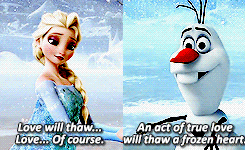
Why did I begin this story? Why is it important to me? What made me love it? How does God’s love for me change this moment? Love thaws not just a frozen heart, it also burns away the fears and anxieties that can often lead to writer’s block. When we write from love and with love, we write our very best. If you feel like you are missing that, then maybe you can go back to where you lost it and that’s where you will find your answer.
Failure

For all the big talking “failure” does, it actually has so little power to hurt you when you redefine it.

What if you fail to write a novel this month? What if you don’t reach the goals you made? What if life happens and circumstances get in the way of what you hoped to accomplish?

Failure only has the power you give it. You are an imperfect human, so without a doubt, there are things you have failed at, but if you acknowledge, “Yep, that was my bad, but I’m gonna learn from it, ask for forgiveness, and forgive myself.” You have literally just removed failure’s power to steal from you. And writing is not this do-or-die thing your insecurities tell you it is. There’s not a big right or wrong to it, it’s subjective and create-your-own-adventure.

So, what if you don’t write a whole novel this month? Did you try? Did you think about it? Did you practice creating a character and story outline? Did you write 2,000 words? Did you entertain the concept that you can be a writer, and that you deserve to try? Then guess what, you cannot fail.

Some is better than none – Jon Acuff

Deadlines

Euw, I don’t like that word, but as a freelance writer, I see the word “deadline” a lot. And meeting deadlines has cost me some late nights, stressful weeks, missed showers, hurried meals, and sore hands.

Deadlines can sometimes be motivating, that’s why I am even doing NaNoWriMo this year, because I have a project that I keep pushing to the back burner, and I think if I create a deadline for myself, I may get a lot or most of it done.

Here are a few tips for managing your NaNoWriMo writing deadlines.

  1. Clearly outline your goals. You may not have the goal of writing 50,000 words or creating a whole novel in a month, and that’s fine, just know what your goals are and clearly define them. This will help you plan ahead and adapt in the moment.

I am a visual person, so I like to write things down or create an image to help me stay on track. However, your brain works, make sure you have created a way to know and track your progress. It takes some of the anxiety out of the process, and it’s really encouraging when you see yourself moving forward.

  • Be okay with adapting. I know this is hard to accept, but life is unpredictable and more like Jumanji than anyone wants to admit. We all have no idea what November has in store for us, so we will be prepared by planning, and then we will be prepared to change the plan if necessary. This doesn’t make you a failure, or irresponsible, it makes you adaptable, and you will take life much less hard if you are okay with adapting.

You will have to use your own judgment to know when to adapt, and when to stand your ground on your plans, but give yourself permission to adjust ahead of time.

  • Plan according to your taste/schedule. You are not marching to the beat of any other writer’s drum for NaNoWriMo, you need to make your plans and go at your pace. You can look around you for inspiration, and if you see a good idea that benefits you, borrow it! But never think your writing journey has to look like anyone else’s.

Work-life balance

We all have responsibilities, relationships, and lives to keep up with apart from NaNoWriMo (unless you cleared the whole month and can still afford your rent). You want to write a novel, but you want to do it in a way that doesn’t destroy the other important things in your life like your family, health, or job.

Here’s how you can create your NaNoWriMo 2024 goals and still have a life to come back to when you’re done.

  1. Communicate your goals/intentions to your people. Whether it’s your significant other, your children, your roommate, or your friends, you need to communicate with them what your desires are and discuss any potential changes in your schedule.

So many relational issues could be solved by proactively communicating, and then maintaining that communication throughout the process. Will you be working half days on Friday this month? Let your boss know. Do you and your spouse have a bedtime routine with the kids that keeps your family peaceful and focused? Plan your writing around that or discuss how you can cooperate with your spouse to adjust the schedule temporarily. Will you be spending less time online or chatting with people? Let them know ahead of time so they don’t worry about you.

  • Take care of yourself. Yes, sometimes deadline seasons call for late nights, fewer showers, and some less healthy snacks. So long as this doesn’t become your everyday, it may be okay for a season. But don’t go overboard.

You’re writing a novel, not planning a nuclear war without casualties (unless that’s the topic of your book in which case I want to read it). Shower, eat, drink water, go outside and look at a cloud or a bird. Ask your kids or spouse how their day was, listen to music you like, get up and dance or stretch. Walk the dog. Post a quick update celebrating a win. Eat a treat, maybe even buy some special treats for yourself and your family during this month so you all have something to enjoy.

  • Celebrate. Don’t wait to celebrate only when you have accomplished the big goal, life is about celebrating EVERY win, that’s why kids are so awesome, every new skill, discovery, or beautiful thing is something to celebrate. When you are celebrating your wins, big and little ones, it’s harder for discouragement and doubt to take hold. Joy makes you slippery to the darkness, so lather up and celebrate!

Write on

NaNoWriMo is an incredible opportunity to get going on the writing you’ve been dreaming of for a long time. Whatever you accomplish this year, I hope your heart and mind are opened to the possibilities and potential that lie ahead of you. You can do this, now go try.

Read Part 1, Part 2, and Part 3 here, and for more great posts on movies, writing, and my story, follow the blog, or like on FB. #nanowrimo2024
How to Prepare for NaNoWriMo – Part 3

Look at you, you have decided to try National Novel Writing Month (NaNoWriMo)! In Part 1 of this series, I discussed my past experiences with doing NaNoWriMo and how much they empowered me as a writer.

In Part 2, I walked you through some simple questions you can use to create a character you love to write. Trust me, if you love a character, you will want to write for them a lot. We writers create connections with our characters; they are like friends we root for and want to share with the world.

Today, I will walk you through ten storytelling beats you can use to outline your novel and give you a storytelling framework to help you stay motivated and confident in your writing.

Ten story beats

There are many approaches to creating a narrative structure, and if this list is overwhelming to you, feel free to do some research and find a system that works for you! I love this system because sometimes having more plot points means I am less likely to get lost along the way.

  1. Ordinary world of the hero
  2. Upsetting the apple cart
  3. Crossing the threshold
  4. Twist
  5. Midpoint
  6. Escalation
  7. Dark night of the soul
  8. Hero’s new plan
  9. Final showdown
  10. The new world

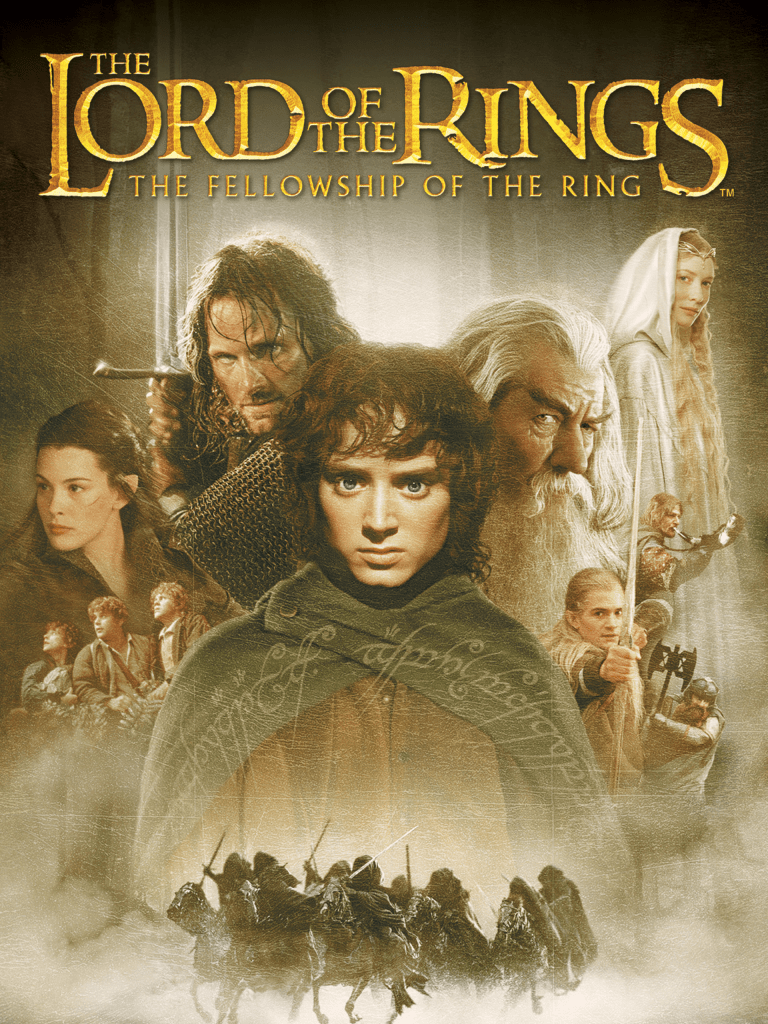
What does this list look like when writing a novel or screenplay? Let’s go through it using the classic The Fellowship of the Ring.

  1. Ordinary world of the hero. Frodo in the Shire. Your character’s ordinary world may be good or bad, but it’s “normal” and familiar.  Your character knows how the world works, what to expect, and how to survive/live in it.
  2. Upsetting the applecart. Gandalf shows up, and Bilbo gifts Frodo the Ring. Your character’s normal is broken by something unexpected; they can’t keep going with the status quo.
  3. Crossing the threshold. Frodo leaves with the Ring for the village of Bree. Your character has made a commitment that leads to a larger journey, and going back is not an option, the die is cast.
  4. Twist. Gandalf isn’t waiting at the Inn of the Prancing Pony, but Strider is. Your character didn’t see this coming, and they aren’t yet sure if this is good or bad.
  5. Midpoint. The Fellowship is formed. Some tough stuff has already happened, and your character doesn’t know what the resolve will be yet, but they have to pack it in and keep going to find out!
  6. Escalation. Battle in the Mines of Moria and internal conflicts among the Fellowship with Boromir and others. Things are getting worse, who can your character trust, maybe someone dies, the enemy is approaching, etc.
  7. Dark night of the soul. Gandalf falls while fighting the Balrog in Khazad-dum, the Fellowship is in trouble, and Frodo feels isolated. Your character believes all is lost, there is no hope, and things are broken that cannot be undone.
  8. Hero’s new plan. The Fellowship seeks refuge in Lothlorien and takes the river to save time on the journey. They are given Galadriel’s gifts and wisdom, and they have a bit more hope. Your character does not know if their new plan will work, but at least they have a plan.
  9. Final showdown. Amon Hen. Frodo escapes from Boromir, the Urukai show up and the battle takes place, Merry and Pippin are taken, but Boromir redeems himself and Aragorn accepts the mantle of protecting Gondor, creating resolve between the two men. Frodo also has to fully accept the role of the ringbearer, even if it means going on alone, which is a final showdown with his own doubts. Your character has a big showdown, it may end perfectly, or it may end with some things better, and some things worse.
  10. The New World. Frodo and Sam are setting off alone and determined to finish this come hell or literally high water. Aragorn, Gimli, and Legolas are off to “hunt some orcs.” They will remain true to their Fellowship in their hearts, but their paths forward have diverged. Your character is facing a world different from the one they began in, maybe they are pleased with this, maybe they are not, but they must accept it either way.

These story beats may not always look as upfront and obvious as they are in The Fellowship of the Ring. You should consider this storytelling technique a guideline that you can adapt to fit your story.

I have applied these ten story beats many times, and they make mapping out a story arc so much easier. These beats are proven to create an effective storyline that satisfies an audience, especially when paired with an exciting character. These beats helped me unlock the “good story” formula, and they are a ninja sword in your collection of writing tools.

Use the beats, plan your story

Your next step for NaNoWriMo prep is to take the character you created with the questions I listed in Part 2 and bring them over to this list of story beats. How does the story you have in mind match with these beats? Do you need to add or remove things? Does the ending need some spicing up? Do you want your character to be fully triumphant at the end? Play around with your character’s story and these beats, as you tweak them, a story outline will emerge, and you’ll be so proud of yourself.

A lot of people are afraid of this part of the process of writing. They worry if they plan too much, they will lose the joy or creativity of writing.

I think this is a false fear and assumption. I have written with no plan before, and there are times and places for that (I’ll write about that one day), but for NaNoWriMo, I think having some level of plan is actually freeing.

What you are attempting here is monumental, and awesome, and it keeps you very busy. You don’t want to have to stop and think a lot, you just want to write. With this creative writing technique, you aren’t spending time thinking about where to go and if it makes sense or not, you are just joyfully running with a simple map in your head. If you do some of your thinking now, that’s less you have to do at the moment when you are just writing.

You can do this.

In the final installment of this NaNoWriMo series, I will cover how to write with confidence, overcome writer’s block, and fit writing into your normal schedule.

To catch the follow-up posts, subscribe to the email list, follow the blog, or like on FB for future posts. #nanowrimo2024
How to Prepare for NaNoWriMo – Part 2

Read Part 1 here.

You have stepped out; you’ve decided to accept the November writing challenge and do NaNoWriMo.

And now that you’re here, you might be panicking that you are unprepared, just like Bilbo making the great decision to join the Lonely Mountain adventure only to panic over a missed pocket hankie.

It’s alright, we all do it, even seasoned writers, you’re in good company.

The cool thing about writing is that if you have the “write” tools and materials in place, you can build an amazing story repeatedly. A lot of people have the misconception that writing is just raw creativity and brute talent and only some demigods on earth possess these abilities.

True, many great writers do possess lively imaginations, creativity, wit, intelligence (also good looks), and some talent, but that’s rarely what keeps a writer writing or publishing.

So much of writing is discipline, learning your craft, listening, feeling, perseverance, and practice. Those things can be achieved by anyone willing to give the time and effort to them.

If you learn the mechanics of writing, the tools of writing, and you have the perseverance to keep writing even when it’s not glamorous, you can become a good writer.

I’m going to walk you through a few novel writing strategies so you can begin building your story. It all starts with the heartbeat of your story: characters.

How to plan your characters for NaNoWriMo

The heart of any story is its characters. It doesn’t matter what genre, plot, world, or length of story you tell, if you nail them the rest of your story will fall into place. A lot of people panic when it comes to crafting believable characters, and they have no idea how to get started. It’s really not that hard, so relax, open up your heart, and read on.

Well-developed characters are ones we can relate to, they have flaws, motivation, and show growth or regression depending on their decisions. It’s hard to write a character you have nothing in common with, which makes writing a novel in a month a nearly impossible challenge.

When you are venturing out on a big writing goal, my suggestion is to create a character you can connect with. My first year doing NaNoWriMo, I wrote about a teenage girl who was stuck in anxiety and depression and needed some fresh perspective and vision for her future. If you read Part 1 of this series, you’ll know that I essentially wrote myself into the story, I was the teenage girl stuck who needed fresh perspective! This gave me the ability to write a character I could understand, and we faced challenges, explored new possibilities, and experienced triumph and heartache together. Writing that character let me release so much of what was pent up in my heart onto a page, and it felt good and kept me going through the long writing hours of that month.

Start with what you know, then build from there

So, you create a character that mirrors some aspect of yourself or something you are familiar with. Now, how do you make them memorable with a well-developed character arc?

For any character, you need to figure out what they want, what they need, and how you are going to create challenges and obstacles that they can choose to overcome or fail to reach their goals.

This is true for any character, big or small, male or female, old or young, good or bad. You need to be able to answer these questions for both your antagonists and protagonists.

Let’s say my character is a young boy who really wants to become a well-renowned artist. He cannot afford art school and therefore has had to learn how to paint on his own. I can connect with this character because I have big dreams, and I have had to teach myself and learn on-the-job without any “formal” training. My young artist is talented, but sometimes he and others doubt his abilities because his path has been unorthodox. Will he succeed, or fail to become an artist like he dreams?

My character wants to become a famous artist. He needs to believe in himself even as he grows in his skills. I’m going to force him to face the obstacles and challenges of his own insecurities, rejection from others who scoff at his lack of formal education, and the hard work of becoming an artist. My character will choose to believe in himself, and eventually he will reach his goal of becoming a famous artist when his painting is displayed at a high-profile art show in Paris.

I, the writer, have a reason to love my character because I can relate to him. That makes me want to write him because I want to see him succeed. If he can succeed, I can succeed, right? It’s motivating. For an outside person reading my story, if I have developed my young artist well and shown his wants and needs, forced him to face challenges and obstacles, and then show him overcoming these things, I have delivered a satisfying arc with a believable and well-developed character my reader can root for.

Need a few more examples?

Character examples

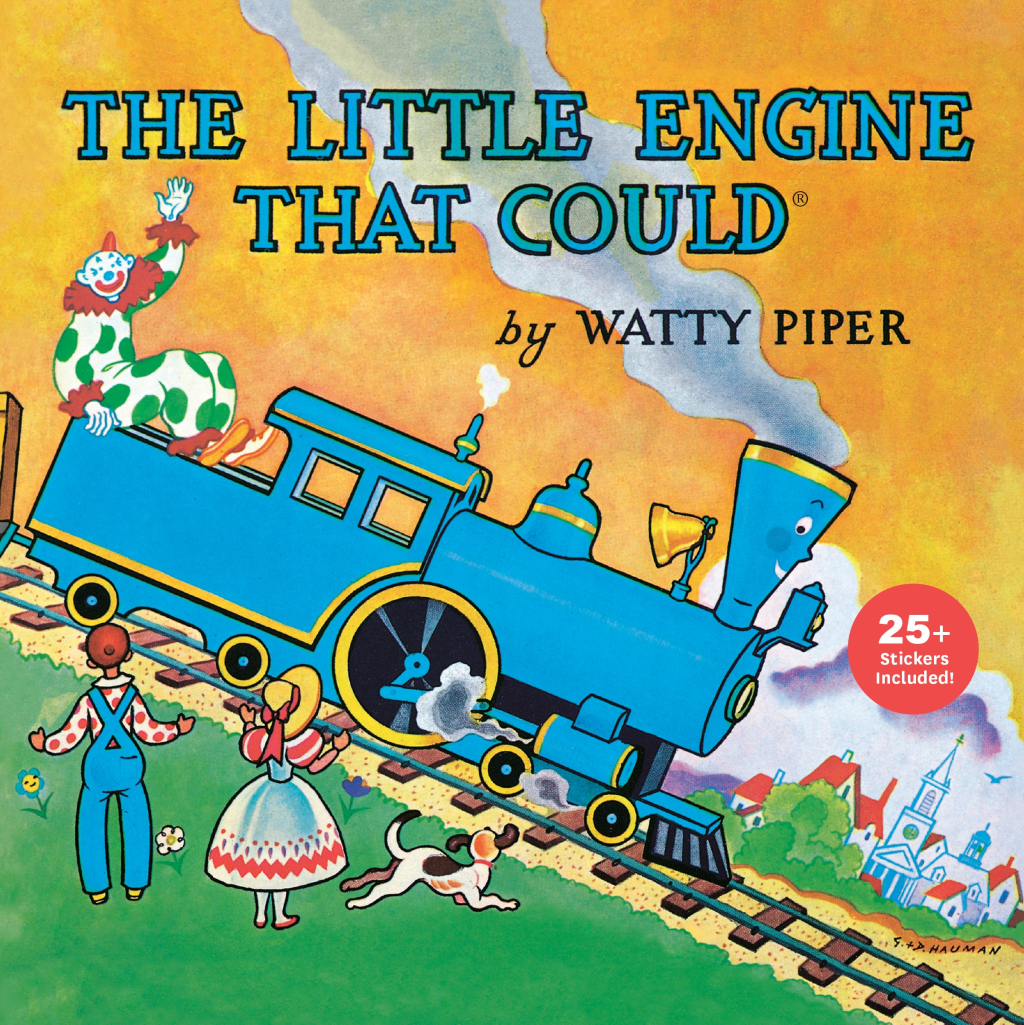
The Little Engine That Could is a story about a steam engine getting over a mountain. With that bland description, you wouldn’t think it is the world-changing, multi-generational sensation that it is. But The Little Engine That Could is just that, because of the little engine.

The little engine is a character we can all relate to. She’s small, overlooked, an underdog. When asked if she will pull a train up over a mountain—a task bigger engines turned down—she accepts the challenge. It’s rough, and by all appearances, this little engine is the last person for the job.

But rather than listen to what the world might tell her, the little engine instead tunes into only one thought that she repeats out loud, “I think I can I think I can I think I can.”

This simple phrase and this intense focus cause her to pull a massive train up and over a high mountain to triumphantly reach the station on the other side. She is victorious, the hero, and she accomplished the mission others more “qualified” shied away from.

The world loves the little engine, why? Because we see ourselves in her. How many of us have been the overlooked underdog? The one no one believed in. We know that pain, but if we know that pain, we would also like to believe we can know the same triumph she does. The little engine goes on a journey that takes her from pain to triumph, which is why a simple story about a steam engine getting over a mountain is a worldwide sensation.

The little engine wanted to matter. The little engine needed to believe in herself. The little engine faces challenges and obstacles all the way up and over the mountain, and she almost runs out of steam. But she chooses to keep believing and living out, “I think I can I think I can I think I can” every time she faces an obstacle. She overcomes the journey, and she reaches her goal of delivering the train safely into the station and becoming a hero.

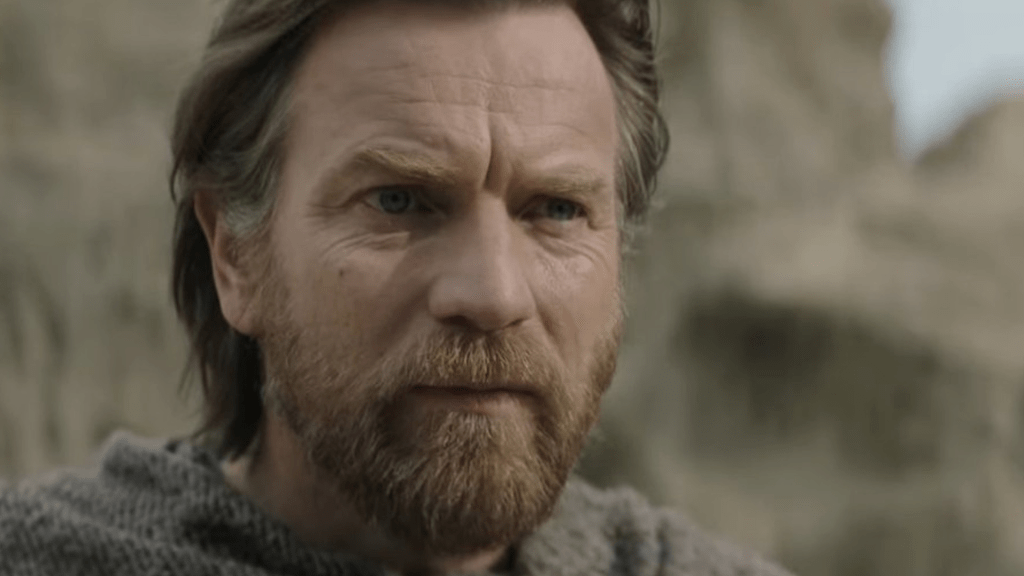
Obi-Wan Kenobi, the Disney+ series featuring Obi-Wan Kenobi ten years after Revenge of the Sith shows a broken-down-hero who has lost his way. He can’t sleep, he’s tormented by regret, guilt, and sorrow over the loss of beloved friends and family. He blames himself for the tragedies his loved ones suffered. He has hidden every part of himself as a Jedi away, and his only remaining purpose is to watch over a young Luke Skywalker on Tatooine.

But then, young Leia Organa is kidnapped, and when her parents ask him to rescue her, Obi-Wan Kenobi is forced to re-enter the world of Sith vs Jedi, the cruelty of the Empire, and most terrifyingly, his worst fears and regrets.

Obi-Wan Kenobi is one of the most glorious characters in the existence of characters, and this chapter of his story is beautiful. We’ve seen him at his full strength in the Prequel/Clone War Era, and we see him as a peaceful mentor and friend in the Original Trilogy, but in the middle? Obi-Wan Kenobi is a mess we can all relate to.

Have you ever lost your way? Have you regretted the past and lost loved ones? Are you afraid to try again?

The things Obi-Wan faces are paralyzing, still, Obi-Wan’s remaining love for Anakin and Padme gives him just enough motivation to take a leap of faith, and he gets massively beaten up for it.

However, as he is forced to reckon with the past, he also starts to fall in love with the future. Leia captures his heart, he meets other brave individuals who have been through the same trauma he has, but they refuse to give up. He remembers what he believes and that he is motivated by love, and he is able to lay to rest the regrets, worries, and torments of the past. Obi-Wan Kenobi emerges as the most kick-butt, glorious Jedi he has ever been despite the fact that he lives in the darkest time for the Jedi.

At the beginning of the series, Obi-Wan Kenobi thought he wanted to remain hidden away and out of the chaos. He needed to face his trauma, and the story forces him to engage in the most personal, painful parts of past. He chooses love and hope to overcome these obstacles, and that causes him to reach his goal of healing and finding himself again.

Ask the questions, build the character

This character approach works for villains and antagonists too. You want to find out what they want, what they need, and then how to foil their efforts or cause them to fail in reaching their end goals. Cruella DeVil wants a Dalmatian coat, she needs to get a bunch of puppies to do so, she is faced with obstacles via Pongo and Perdita’s “dogged” determination to save their babies, and in the end, she fails to reach her goal and is instead arrested.

Characters are complex, because people are complex, but they are also simple in the fact that you just have to add some of your own human experience to build a realistic character. It doesn’t matter if your character is a teapot, a rock, or a dragon, if you make them relatable you will love writing their story.

This character approach I have shared is very simple, and it is possible to get more complex with creating your characters over time, but all you have to do right now is to get started. The more you get to know your character, the more you will get into the nitty gritty of their character arc and story.

So, ask yourself about your character.

  • What do they want?
  • What do they need?
  • What obstacles/challenges will they have to overcome?
  • What goal do they get to reach or fail?

You got this, now go create a character you love to write!

In Part 3, I’ll share ten story beats you can use to plan out your novel so you can write with confidence and excitement!

To catch the follow-up posts, subscribe to the email list, follow the blog, or like on FB for future posts. #nanowrimo2024

How to Prepare for NaNoWriMo – Part 1

How is it already halfway through October? This year has flown by, I just got used to writing “2024” without feeling like I was writing a line from a futuristic, sci-fi novel.

With October halfway over, many writers and storytellers are preparing for November, National Novel Writing Month (NaNoWriMo). NaNoWriMo was started in 1999, and is a writing platform/community that helps writers write a novel in just one month.

*I am unaffiliated with the platform NaNoWriMo; they have not sponsored or supported this post.

Some writers also do their own version of NaNoWriMo separate from the platform but following the same guidelines of a scheduled deadline, word count, and accountability system.

I have participated in NaNoWriMo twice using the NaNoWriMo platform, and I will be participating a third time this year to reach a particular writing goal.

Whether you use a specific platform, writer group, or hide out in a cabin in the Adirondacks to write for the whole month of November (can I join you please?), November presents a beautiful opportunity to grow your writer’s muscles and accomplish something really incredible.

How can you prepare for NaNoWriMo? What are the tips for success? Keep reading for essential tips, strategies, and a planning guide to help you meet your NaNoWriMo2024 goals!

Does NaNoWriMo actually work?

Great question, my answer is “YES!”

And I will follow that up by telling you that I have never completed a whole novel while doing NaNoWriMo, this will be my first year attempting to do so.

The reason I think NaNoWriMo works is that it is like WD40 for your mental blocks, insecurities, and inhibitions that tell you writing is impossible, you are a total fraud, and people would be better off reading shampoo labels at a truck stop shower than reading your writing.

Did I just read your mail there? Yeah, I did because it’s also mine.

Ten years ago, I was really depressed, and a big part of that depression was the lie that there was nothing to look forward to, nothing to work towards. From eight years old on, I had dreamed of being a writer, and I had this grandiose goal of being published by age 18. Now, I was less than a year away from that goal, and I falsely believed I had done nothing to reach it. “You’ll never be a writer, you’ve never been a writer, stop fooling yourself.” The devil’s voice whispered in my ear.

In that state, I forgot the thousands upon thousands of words I had written. Stories, poems, songs, letters, plays, and more. It was like my mind had gone blank to anything I had done up to that point, and somehow writing was this ridiculous fantasy I had created in my head but never put action towards. (If only I had known that just over a decade later, I would be a paid, professional writer and editor who spends hours a week producing and editing content.)

The Lord had my back in this season, He gave me the writing dream and the gift of words, and He wasn’t about to let me lose that vital part of myself or the future ahead of me. Through His intervention and the encouragement of family and friends, I decided to try NaNoWriMo, and I committed to writing 50,000 words in one month.

It was wild, I had many late nights, and furious typing sessions, and I ate a significant amount of chocolate. I think I wrote 6,000 words in one day to make up for some missed days, and I finished my goal with just hours to spare!

The story I wrote was titled Masterpiece, and that first draft will never see the light of day even if I adapt the concept in the future. But I will forever love that story because the cork came out of the bottle, and I, the writer, came bursting out like a fountain of champagne! I was a writer, and NaNoWriMo had just proven it to me.

My second time doing NaNoWriMo was not quite as glamorous. I wasn’t a fan of my story and didn’t know where the characters were going or what they wanted. I did not reach 50,000 words as a great grandmama of a migraine took away any motivation to try and make up the missing 11,000 words I had left.

Do I care? Nope, not at all.

The point of NaNoWriMo

If you only make NaNoWriMo about a writing schedule, word counts, or winning, you won’t get the full value of NaNoWriMo. I love the idea of creating a unique structure for a month to help you accomplish a big writing goal—that’s why I’m doing it this year—but there’s more to it than that.

NaNoWriMo is a time to be set free as a writer, to chart your own destiny through the galaxy of your imagination, and to see that you can do it, and it’s worth trying. Whether you want to write novels, children’s literature, screenplays, non-fiction, comic books, poetry, stage plays, or a blog, you deserve a chance to try it.

Writing that first novel was eye-opening to me. I found out that 50,000 words could just come flowing out of me. I had a really neat story idea, and I enjoyed exploring it freely (sometimes crazily) without all my fears and worries holding me back. I wasn’t editing, I wasn’t critiquing, and sometimes I wasn’t even “thinking”, I was just doing, and it felt so good.

The second year, I gave myself permission to walk away from a story I didn’t care about, and not worry about “losing” NaNoWriMo because a word count didn’t define me as a writer. That was freeing too, valuing my time and art enough to set something down that wasn’t right for me. We hold ourselves to too many rules as writers, I was learning to make my own, and you should too.

This year, my NaNoWriMo project is planned. I have characters developed, I understand my story world, and I have an outline based on story beats. I actually already have the prologue and first chapter written. I’m bringing a decade of additional writing and life skills to the table; I have seen myself accomplish writing goals enough times to have the muscle memory and history to keep going even when those still-present writing insecurities want to take over. My experience this year will be very different, and it may look more “successful” than previous years, but I consider every year I have sat down to do NaNoWriMo a success because it got me here.

That’s the point of NaNoWriMo; to move you along the road of your writing journey, to give you a history to draw upon, and to hope for a writing future that you can reach.

It’s time to believe, and it’s time to try

There are words and stories inside of you that need to come out. Who knows but, like me, God has destined you to share a story that the world needs to hear, but your fears, insecurities, and the voice of the Accuser are trying to silence you?

God has come through for me in my writing career time and time again, and NaNoWriMo was just a tiny piece of that bigger picture, but it was an important piece.

You can do this; you don’t have to know how the whole journey will look; you just have to take the next step.

The first step of NaNoWriMo

So, what do you want to write?

Maybe there is a story you have been dreaming of writing for a long time. Maybe, you want to write but haven’t settled on what or how yet. Anything and everything is okay (remember, you make your own writing rules).

Sit down, take a breath, and write down some ideas starting with whatever you have, a picture, a title, a specific scene, a character, a phrase, anything! See what jumps out and looks most appealing to you and go with that.

Your mission, should you choose to accept it, is to participate in NaNoWriMo 2024 and see what you can do.

Is it possible?

In Part 2, I will take you through how to make a character you are excited to write about. To catch the follow-up posts, subscribe to the email list, follow the blog, or like on FB for future posts. #nanowrimo2024

Loki Odinson and Claire Dearing: How to Advance Plot Without Compromising Character Growth (Part 1 of 2)

As writers, we often face a challenge when trying to figure out how to usher in Big Bad plot elements, but do so in a way that does not also compromise character growth. Typically these game-changing plot elements take place in a larger narrative like a series or franchise where a story has been building up to this climactic point. Both Marvel and Jurassic Park/World are excellent examples of a continuing storyline where the single-story installments fit into a larger picture that is always building upon itself.

In recent years, some big changes needed to happen in both franchises. We’re talking huge, world-changing plot elements.

For the Jurassic series, we needed dinosaurs to be set loose on the mainland and to begin mixing with people on a global scale.

Ian Malcolm Welcome to Jurassic World… #fallenkingdom #jeffgoldblumforever

For the Marvel Cinematic Universe, we needed a bigger problem and evil than Thanos wiping out half of all life in the universe. 10 years had built up to Endgame. We needed something bigger. Enter…the multiverse!

Coincidence is not a strong plot mover, every good writer knows this. Neither is it good or honest storytelling to only have the villain characters be involved with dramatic and damaging events. We’re all flawed, broken people. Sometimes those with the best of intentions can create terrible scenarios *coughs* Tony Stark. The triumph of these deeply-human stories comes when a character grows and is able to face the new challenges with a fresh perspective that leads to victory.

Two protagonists for recent installments in the Jurassic and Marvel franchises are a perfect example of how to not compromise character growth for the sake of plot advancement.

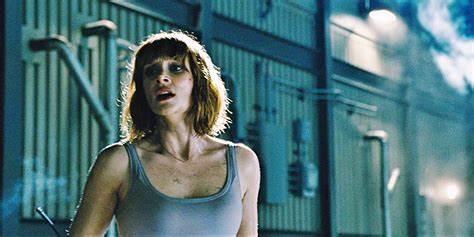
Claire Dearing is the primary protagonist for Jurassic World and Jurassic World: Fallen Kingdom

Claire Dearing is all business, even at the expense of her own humanity. She’s not mean, she’s not visibly evil or a “villain”, but she has a broken perspective on life that blinds her to the dire consequences of her choices.

The protagonist is the character that changes the most throughout a story. While many characters have life-changing revelations throughout the two Jurassic World movies, Claire Dearing is without question the character that undergoes the most change.

The running theme of the entire Jurassic franchise is this question: how do we value life? We see characters and animals interact with this theme in both positive and negative ways in every movie. Even the short film Battle at Big Rock faithfully follows this theme. One day I will discuss this franchise and its message in depth.

When we first meet Claire Dearing she is the director of the larger-than-life theme park, Jurassic World. Finally! John Hammons’s original dream for Jurassic Park has been realized and it is magnificent!

Claire is a cold and removed person when it comes to human relationships, and she has zero connection to any of the animals under her care. In short, Claire does not have value for life. She fails to see its beauty, purpose, or hope. Her nephews come to visit and she cannot even spend more than five minutes with them. She’s got a disdain for the very human character of Owen Grady and disregards his good advice about understanding her own animals. Without thought, she is a party to the creation of the Indominus Rex, the chief animal antagonist of this story.

Throughout the beginning of the movie, we see Claire make choice after choice that is irresponsible and emotionally removed. The worst decision she makes in conjunction with the park’s owner, Mr. Masrani, is to send a containment team after the Indominus with non-lethal weapons. They ignore the warnings of Owen Grady – the character with the most accurate worldview – and send the team in any way. Claire’s hard shell begins to crumble as she watches one person after another get violently killed by the dinosaur.

Throughout the rest of Jurassic World we watch Claire change. Her attention turns from the park’s reputation to just saving lives. She goes running off into the dangerous forest (IN HEELS) with Owen in pursuit of her nephews. She lets herself feel the grief and pain of a dying brachiosaurus that is mauled for sport by the Rex. She does insane things to protect what matters – life! By the end of the movie, Claire is functioning as a fully engaged human being.

Claire throws everything she has into protecting her nephews and Owen from the Indominus Rex. She lets herself be touched by the pain, the beauty, and the wonder of life. Claire is fully awake by the end of Jurassic World.

Has she learned her lesson? Has she grown?

When we see Claire in the next installment, Fallen Kingdom, she is employing the same drive we saw in the first movie, only this time it’s about protecting the dinosaurs that are left. Isla Nublar is about to be destroyed by a volcano, and all of the dinosaurs will die, becoming extinct once more. Claire’s life mission is to try and ensure that doesn’t happen. It’s a noble goal, and it’s a joy to see Claire giving her energy towards preserving life instead of exploiting it (and this time she does it in boots like a sensible human).

But Claire still exhibits some of the same recklessness we saw her use at the beginning of Jurassic World. Her panic to make up for her past mistakes and guilt has caused her to pendulum to another extreme – a very common reaction among humans. She’s overcorrected too far, and this leaves her in a broken relationship with Owen Grady, and vulnerable to being manipulated and used by Eli Mills, the primary human antagonist.

Claire has thrown herself fully into the mission of saving the dinosaurs, but it’s gotten beyond her reach at this point.

Crazy things happen, and at the end of the movie a large collection of dinosaurs has ended up on the mainland in California. Multiple species have already been sold via an illegal auction and shipped around to world to be used for nefarious purposes. The dinosaurs that remain are trapped in a large facility that is filling up with toxic fumes. It’s a horrifying scene, dinosaurs wailing and trying desperately to get out as they are dying at the expense of greed.

Claire discovers she can free them with the push of a button, but to do so means they are set loose on the general population.

Owen Grady Claire, you press that button there is no going back.

A beat…Claire We can’t let them die.

Her hand hovers over the button…but then she steps away in tears. Finally! Claire Dearing has learned her lesson at a horrific cost. It’s a terrible decision to have to make, but her lack of restraint (along with others) has helped create this mess, pushing that button will only further it. It’s awful, but it’s solid proof – Claire Dearing has grown, her character arc is intact.

The agony of having to say no to pushing the button…

Aha! But for the overall story plot we still need the dinosaurs to get out…so what do we do now?

Loki is the primary protagonist for the show Loki. Obviously.

This character is only beloved because Tom Hiddleston IS SO CRAZY ADORABLE!

To say Loki is a stinker would be putting it mildly. He’s wild, unpredictable, violent, cunning, and constantly keeping you guessing as to whether he will help you, or betray you. Unlike Claire Dearing, Loki definitely fits into the villain category. If Tom Hiddleston wasn’t so everlastingly adorable, Loki would not have been the fan favorite he is. His character was brought to a tragic and emotional end at the very beginning of Infinity War. It was unsatisfactory and Loki fans were devastated. Then in Endgame, a freshly butt-kicked Loki managed to escape through time right after the first Avengers movie. This Loki is raw, unedited, and still the jerk that killed 80 people in just a few days + invaded New York because he’s Loki.

The running theme for the show Loki is this question: are we trapped by destiny or do we also have free will?

It’s a hard question to answer in a pretend universe that doesn’t have the true, gloriously good God in it. I don’t have time to dive into that topic today.

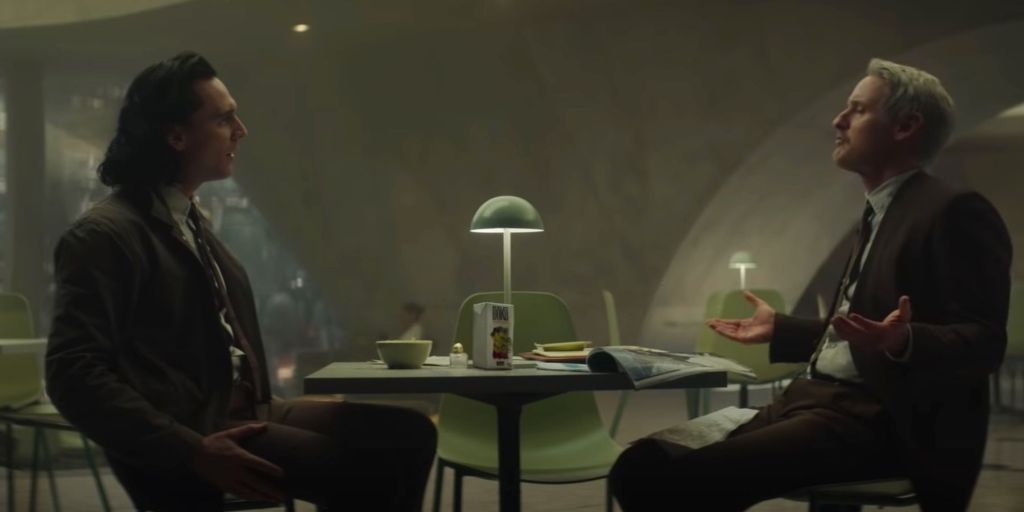
Loki finds himself quickly taken into custody by the TVA – Time Variance Authority – and taken to a place outside of time. He is shown the story of his whole life beginning to end, told that his entire life purpose is for his worst to bring out others’ best. He’s also told that as a Loki, he is “destined to fail”. Loki learns that he is just one of the thousands of other Loki’s from thousands of other universes. The TVA is the organization assigned to protect the “Sacred Timeline” and ensure that all events go according to the instructions of the Time Keepers, who somehow know more about everything than everyone else. It’s rather vague and full of bureaucratic red tape.

Also, now that Loki has stepped outside of the “Sacred Timeline” by escaping from his story, he has created a timeline branch and as a rogue variant, he could quickly be scheduled for pruning. A nice word for – execution. Loki, doing what he does best, negotiates for a chance to help Agent Mobius track down another Loki variant that’s been kidnapping TVA agents and wreaking havoc.

The best of Britain paired with the best of America on one screen. It was SOOO GOOD!

Loki’s initial desire and character goals are pretty standard for him. He wants to conquer the TVA and rule the timeline/worlds/everything/everyone.

The funny thing is how small Loki appears in the eyes of all he comes across. The only character who shows any interest in Loki as a person is Agent Mobius, the kindest person we run across at the TVA. And even Mobius isn’t overawed or impressed by Loki’s grand statements or drastic threats. A Loki is a Loki, they always lose, right?

Loki crosses paths with the other rogue Loki and discovers she’s actually a woman named Sylvie who, unlike other Loki’s, has zero desire for ruling anything. She wants to kill the Time Keepers and end the TVA once and for all as payback for them kidnapping her as a child. Apparently, she was a variant who didn’t “belong” on the Sacred Timeline and therefore was scheduled for pruning. It’s horrific but shows something true that happens in our real world. More on that another day.

A very sad little girl is now a very angry grown woman.

Loki has not previously been known for quick character growth, but in the course of just 6 episodes, he is confronted with the ugliest, darkest, most vulnerable parts of himself. He’s drunk on his own selfish ambition. He hurts other people in order to appear powerful. He’s self-obsessed, angry, scared, and doesn’t know how to create healthy relationships. And the worst part is this, according to everyone he comes in contact with besides Sylvie, this is just his destiny. He’s destined to never be happy, to never succeed at anything, to always be this terrible person.

Throughout one of the craziest and most brilliant shows I’ve ever seen, Loki finds himself pushing back against this empty version of himself, which is actually his own antagonist. Loki, as he’s always been, IS Loki’s own worst enemy! What if he can be more? Who says he has to be the villain in everyone else’s story? As the show progresses, Loki begins to care more about the needs and well-being of characters like Mobius and Sylvie even more than he thinks about his own selfish needs.

Watching layer after layer of Loki unfold as he spends more time with Sylvie was a joy. THIS is the Loki we have been hoping for! Not the petty, selfish, angry Loki. No! The Loki who uses his brilliant mind, witty humor, and genuine strength to protect, uplift, and do good. It was always possible, but now we see him fighting for this better version of himself.

Loki and Sylvie reach the End of All Time and discover He Who Remains. In a quiet discussion held in an office, we hear the most frightening story yet revealed in the MCU. This man is from the future. He is a scientist who discovers the multiverse and connects with other variants of himself. Things are great for a while and the multiverse enjoys travel and communication among the universes. Until, of course, a variant of He Who Remains decides he wants to rule all, and multiverse wars ensue. It’s apparently so awful that He Who Remains decided the best way to solve the problem was to create the Sacred Timeline and control everyone’s lives. He created the TVA to protect this timeline and quickly prune and reset any timeline where something gets out of line. He has been doing this for millenniums. But now he’s tired. He gives Loki and Sylvie two options (1) kill him and unleash the timeline and the multiverse (2) take over his job and rule.

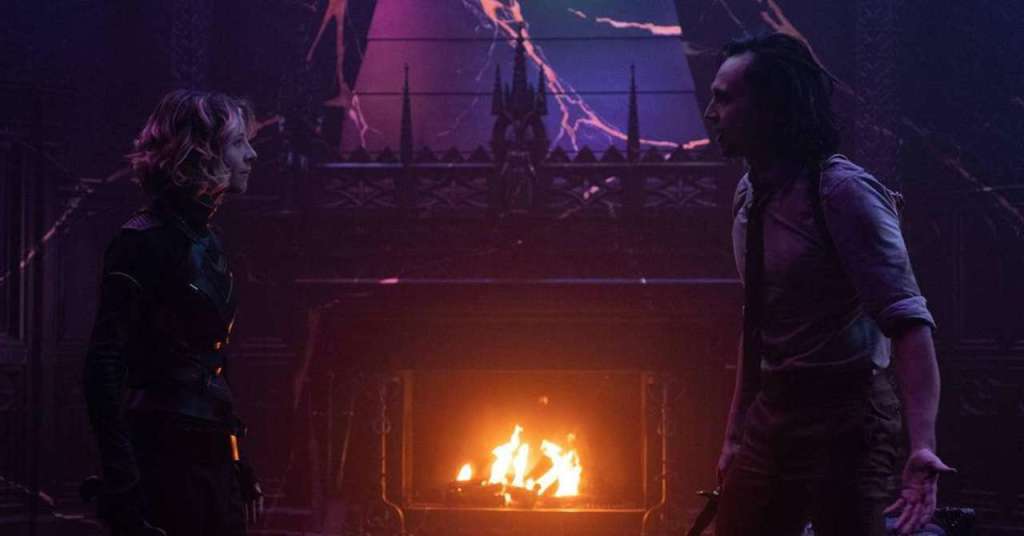
Sylvie still wants to kill He Who Remains as he is responsible for her kidnapping and erasing her life. She believes he is lying just to save his own skin. She is about to kill him when Loki stops her. A back and forth of passionately emotional dialogue, magic, and fighting ensues where Silvie is trying to reach He Who Remains, and Loki is trying to intervene.

Sylvie Ah, you want the throne.

Loki No, that’s not it, no. Sylvie, the universe is in the balance, everything we know to be true. Everything. I know that the TVA has hurt us both, but what if by taking him out, we risk unleashing something even worse? I promise you from my heart, this isn’t about a throne.

More fighting.

Loki Sylvie, the cost of getting this wrong is too great.

Sylvie Fine, then kill me and take your throne.

Loki Stop. I’ve been where you are. I’ve felt what you feel. *crying* Don’t ask me how I know. All I know, is I don’t want to hurt you. I don’t want a throne. I just…I just want you to be okay.

NO ONE IS SOBBING HERE! NEVER MIND, WE ARE FINE! IT’S TOTALLY OKAY THAT LOKI IS LOOKING AT HER SO SOFTLY WITH SO MUCH COMPASSION AND TENDERNESS! WE ARE FINEEEE!!!

They kiss, it’s gorgeous and no one is sobbing on the floor. We’re fine!!! And then Sylvie shoves him through a portal back to the TVA, removing him from the situation entirely. Determined and dreading what is coming, Loki runs to find Mobius to fill him in on the drastic changes that are about to take place.

Loki He’s terrifying. He planned everything. He’s seen everything. He knows everything. It’s complicated, okay. But someone is coming. Countless different versions of a very dangerous person. And they’re all set on war. We need to prepare.

These two were just the greatest.

Loki went from rampaging around the universe, causing wreck and ruin all because he was burdened with glorious purpose, to suddenly only caring about others’ needs and future. He now only says “I” in reference to his selfless feelings for someone else. He uses the term “we” when speaking of himself and Sylvie, or himself and his allies/friends at the TVA. Loki is no longer alone and no longer seeking a throne. His life actually is burdened with glorious purpose now. He’s free, Loki won over Loki.

The ironclad proof of Loki’s character growth was his attempt to restrain Silvie from destroying He Who Remains. Whether that was the right choice for the future of the universe or not, it was the right choice for Loki’s character arc. He said no to the throne, and yes to what he believed someone else needed. Loki has grown.

I love that turned-up collar, it’s so him.

Aha, but we still need the timeline to be unleashed…so what do we do?

The answer is simple, we bring in the “innocents”. We solve our plot problems with the innocents. I’ll explain in Part 2.